Key takeaways
- If early HIV symptoms happen, they usually appear about 2 to 4 weeks after infection, sometimes up to 6 weeks.
- Many people have no symptoms at all, so feeling well does not rule HIV out.
- The same symptoms are far more often caused by colds, flu, other infections, PEP side effects or stress.
- Symptoms can neither confirm nor rule out HIV. A test taken at the right time is the only answer.
- If the exposure was in the last 72 hours, ask about PEP now rather than waiting for symptoms.
HIV symptoms after exposure: the short answer
HIV symptoms after exposure, if they appear at all, usually start about 2 to 4 weeks after infection and look like a flu-like illness. Many people notice nothing, and many people with these symptoms do not have HIV.
That is why symptoms cannot tell you whether an exposure led to HIV. A test at the right time can, and this guide explains how to plan it while you wait.
The timeline of HIV symptoms after exposure
According to HIV.gov’s guide to the symptoms of HIV, about two-thirds of people have flu-like symptoms within 2 to 4 weeks after infection. These can last from a few days to several weeks.
The NHS describes the same short illness as appearing around 2 to 6 weeks after infection in some people. Here is how that timeline fits the days and weeks after an exposure.
HIV symptoms after exposure: how many days and weeks
| Time since exposure | What is usually happening | What it means for you |
|---|---|---|
| First 72 hours | Too early for HIV symptoms | The window for starting PEP |
| Days 3 to 13 | HIV symptoms are unlikely this early | Other causes are much more likely |
| Weeks 2 to 4 | The most common time for early symptoms | Symptoms may happen or may not |
| Weeks 4 to 6 | Early symptoms can still appear | A good time for a first follow-up test |
| After the early illness | Often no symptoms for years | Only a test shows your status |
What early HIV symptoms can feel like
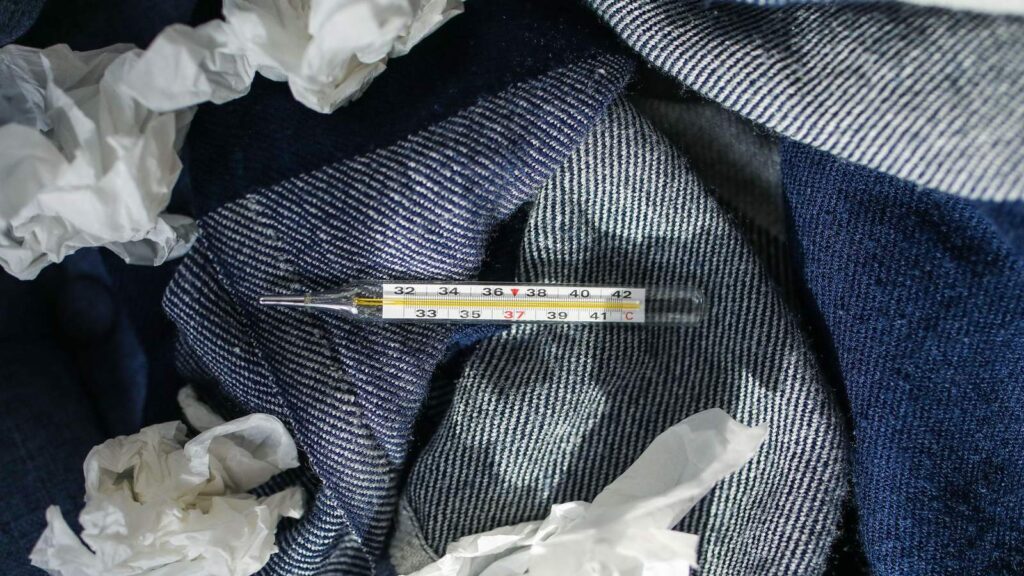
Early HIV infection, also called acute HIV, can cause symptoms similar to many other viral illnesses. HIV.gov lists these as possible signs:
- Fever, chills or night sweats
- Sore throat or mouth ulcers
- Rash
- Muscle aches and tiredness
- Swollen lymph nodes (glands)
Not everyone gets the same symptoms, and none of them is specific to HIV. After this early stage, many people feel completely well for years, which is why the NHS page on HIV symptoms notes that many people with HIV do not know they have it.
Why symptoms cannot confirm or rule out HIV
Two facts make symptoms unreliable. Some people with a new HIV infection have no symptoms at all, and the symptoms that do occur are shared with many common illnesses.

Watching symptoms vs taking an HIV test
| Question | Watching for symptoms | HIV test at the right time |
|---|---|---|
| Can it show you have HIV? | No | Yes, with a confirmation test |
| Can it show you do not have HIV? | No | Yes, after the window period |
| Does it depend on how you feel? | Yes | No |
| Can it guide treatment or PEP? | No | Yes |
HIV.gov puts it simply: the only way to know for sure is to get tested. Our guide on when to test for HIV after an exposure explains the window period for each test type.
Other common causes of the same symptoms
In the weeks after an exposure, it is natural to link every sore throat or tired day to HIV. In reality, these causes are far more common:
- Colds, flu and COVID-19, which cause fever, sore throat and aches.
- Glandular fever and throat infections, which can cause swollen glands and tiredness.
- Other STIs, some of which cause rashes, sore throats or sores; our STI testing service in Bangkok checks for the common ones.
- PEP side effects, such as nausea, headache and tiredness in the first week or two.
- Stress and poor sleep, which can cause real physical symptoms.
If you are taking PEP, our guide to common PEP side effects and how to manage them can help you tell them apart. Worries about whether PEP is working are covered in what the evidence says about PEP failure.
If the exposure was in the last 72 hours
Do not wait to see whether symptoms appear. PEP must start within 72 hours of the exposure, and the sooner the better, so the decision is based on the exposure itself, not on how you feel.

The PEP self-check and 72-hour window calculator helps you judge your situation. You can also read what PEP is and how the 28-day course works, and our step-by-step plan after a possible HIV exposure.
Exposures that often cause symptom worries
The timeline above is the same whatever the type of exposure. For risk by situation, see our guides to HIV risk when a condom breaks and needle-stick injuries and HIV.
How to plan your HIV test while you wait
Instead of tracking symptoms, it helps to put test dates in your calendar. A common plan looks like this:
- A baseline test now, which shows your status before this exposure.
- A test at about 4 to 6 weeks, which is very reassuring if negative.
- A final test at about 3 months, which confirms the result for most test types.

For what a negative result means at each point, read how accurate a 4th-generation HIV test is at 4 and 6 weeks. If you took PEP, follow the plan in HIV testing after finishing PEP.
If you feel unwell during the window period
Tell a doctor, and mention the date of the exposure. They may suggest a test that can detect HIV earlier, and they will look for other causes too.
Seek urgent care for a very high fever, difficulty breathing, or a rash with blistering or mouth sores, especially if you are taking PEP. In an emergency in Thailand, call 1669.
Getting tested in Bangkok
At HIV PEP Bangkok, near BTS Asok and MRT Sukhumvit, you can have a rapid 4th-generation HIV test with results in about an hour. Anonymous testing is available, and a first name is enough.
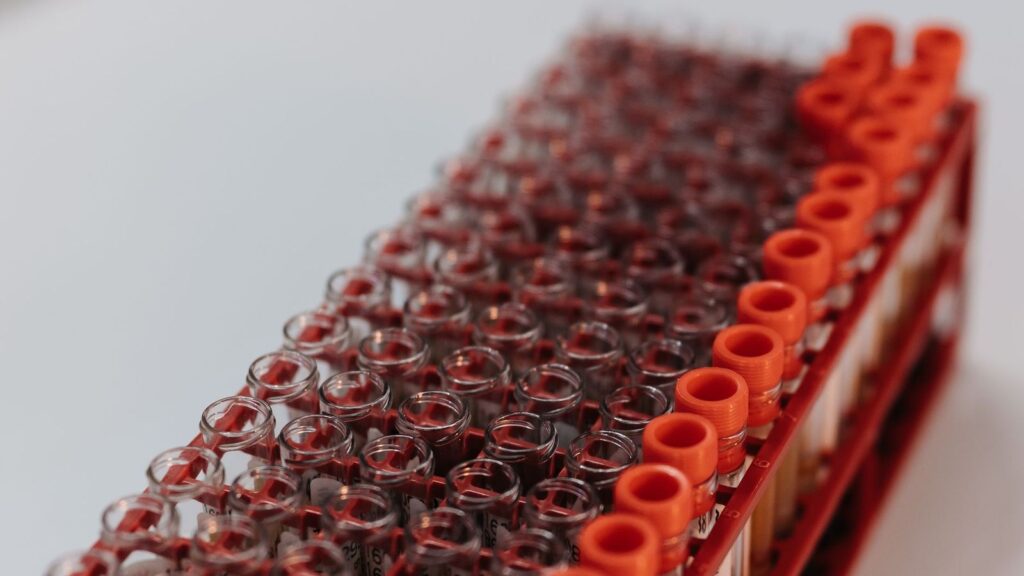
We are open every day from 09:00 to 21:00, with English- and Thai-speaking doctors and private rooms. See our HIV testing service in Bangkok for what the visit involves.

Waiting is hard, and worry is a normal response. Limiting symptom searches and focusing on your planned test dates helps many people through this time.
Frequently asked questions about HIV symptoms after exposure
Can HIV symptoms start two or three days after exposure?
This is very unlikely. When early HIV symptoms happen, they usually start about 2 to 4 weeks after infection, so illness in the first few days almost always has another cause.
If I have had no symptoms, does that mean I do not have HIV?
No. Some people have no symptoms at all during early HIV infection. Only a negative test taken after the window period can rule it out.
Is there one symptom that is specific to HIV?
No. Fever, rash, sore throat and swollen glands all have many common causes. None of them points to HIV on its own.
Can PEP side effects feel like HIV symptoms?
Some can, such as tiredness, headache or feeling sick in the first week or two. Tell your doctor about any symptoms while you are on PEP.
Can worry about HIV cause physical symptoms?
Yes. Stress and poor sleep can cause tiredness, aches and stomach upset. These are real symptoms, and a planned test is the best way to settle the worry.
If you are worried about a recent exposure, contact our Bangkok clinic by LINE, WhatsApp or phone, or walk in. A doctor can talk through your risk, check whether PEP still applies, and plan your tests with you.