Key takeaways
- Act quickly, but calmly. If there is a chance of HIV exposure, contact a clinic today. PEP works best when started within 24 hours and must be started within 72 hours.
- Gently wash the area with soap and water. Don’t scrub, use bleach or douche.
- Tell the doctor exactly what happened and when. Clear details help them decide whether you need PEP.
- After sexual assault, your safety comes first: call 1669 for emergency care in Thailand, or the Tourist Police on 1155.
- Feeling anxious is normal. Having a plan, and a follow-up test date, makes the wait easier.
If a condom has just broken, or something happened that worries you, it is easy to panic. There is a clear, effective way to lower your risk of HIV, and you still have time to use it. Here is what to do, step by step.
What should you do right after a possible HIV exposure?
In the first few minutes, keep it simple. The aim is to clean the area gently and then get medical advice.
- Skin or a wound: wash with soap and running water. If a needle or sharp object broke the skin, gently encourage it to bleed, ideally under running water, but don’t scrub or suck it.
- Eyes: rinse gently with plenty of clean water. If you wear contact lenses, take them out first.
- Mouth: spit out any fluid and rinse with water a few times.
- After sex: wash the outside of the genitals gently with water. Don’t douche or wash inside the vagina or anus, as this can irritate the skin and does not reduce HIV risk.
Avoid bleach, alcohol or disinfectants on your skin. Then speak to a doctor.

Your step-by-step plan for the first 72 hours
PEP (post-exposure prophylaxis) is a 28-day course of HIV medicines that can stop an infection from taking hold. If you are not sure what it involves, our guide on what PEP is and how it works explains the basics. Here is how to use your time.
- Within the first hour: wash the area as above. Write down the time of the exposure, so you know how much of your 72-hour window is left.
- Within the first few hours: contact a clinic or hospital and say you may need PEP. Don’t wait until tomorrow if you can be seen sooner.
- Ideally within 24 hours: have a consultation and a baseline HIV test, and take your first PEP dose if the doctor recommends it.
- Between 24 and 72 hours: PEP can still be started, but go today. Every hour counts.
- Over the next 28 days: take every dose, use condoms, and keep your follow-up appointments.
The US government site HIV.gov explains that you must start PEP within 72 hours of a possible exposure, ideally within 24 hours, or it won’t work.
What to do if a condom broke or you had sex without one
This table covers common situations. It is a guide only; a doctor will advise you personally. For a closer look at how risky each type of exposure is, try our “Do I need PEP?” risk check.
| Situation | What to do now | What to tell the clinic |
|---|---|---|
| Condom broke or slipped off | Wash gently, don’t douche, and contact a clinic today. | When it broke, whether it was anal or vaginal sex, and whether ejaculation happened. |
| Sex without a condom | Contact a clinic today, especially if your partner’s HIV status is unknown. | Type of sex, your role, and anything you know about your partner’s HIV status or treatment. |
| Sexual assault | Get to a safe place. Call 1669 for emergency care or 1155 for the Tourist Police. | Only what you are comfortable sharing. The doctor will also ask about emergency contraception and STI treatment. |
| Needle-stick or sharps injury, including at work | Let it bleed, wash with soap and water, and report it to your manager or occupational health. | The type of needle, whether it was visibly bloody, and whether the source person is known. |
| Shared needles or injecting equipment | Contact a clinic today. Don’t share equipment again. | When you injected, what was shared, and how many people used it. |
If your partner has HIV and has a sustained undetectable viral load on treatment, they cannot pass HIV on through sex (U=U, undetectable = untransmittable), so PEP is usually not needed.
What should you tell the clinic?
There is no need to feel embarrassed. Clear details help the doctor give you the right advice, so try to have answers ready for:
- The date and time of the exposure
- What happened, in plain terms, for example “condom broke during anal sex”
- Anything you know about the other person’s HIV status and treatment
- Any medicines, supplements or vitamins you take
- Any kidney or liver problems, hepatitis B, or pregnancy
- Whether you have had PEP or PrEP before
At our clinic you only need to give your first name, and you are seen in a private room.
What happens when you arrive at a PEP clinic?
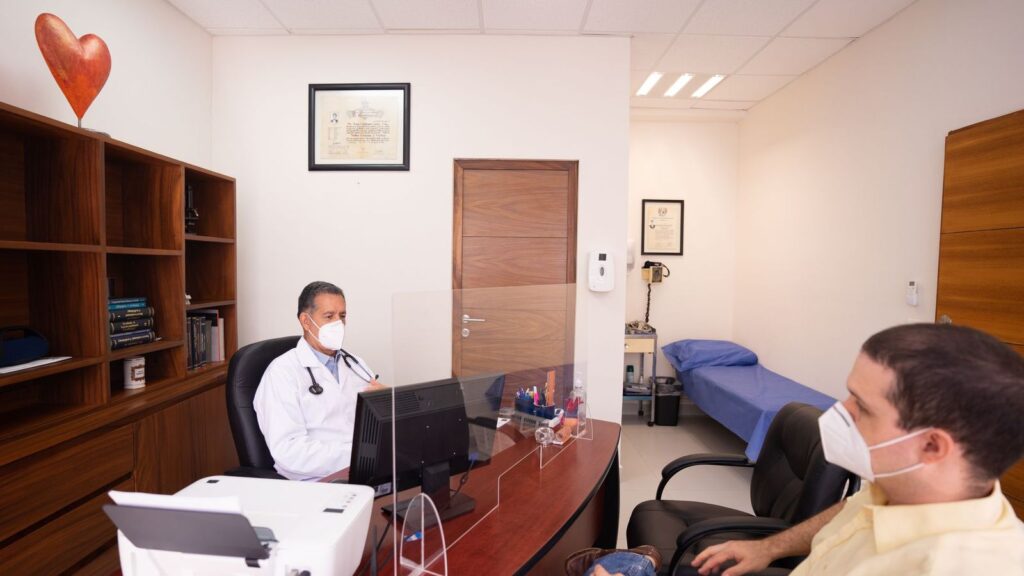
A doctor talks through the exposure with you and does a rapid HIV test. If PEP is recommended, you usually take the first dose at the clinic within about an hour and go home with the full 28-day supply. Our guide to PEP side effects and how to manage them explains what to expect.
What if you were sexually assaulted?
What happened is not your fault. If you are in danger or injured, call 1669 for emergency medical help in Thailand. Visitors can also call the Tourist Police on 1155, who can help in English.
A hospital can provide emergency care, PEP, emergency contraception and STI treatment in one visit. If you may want to report the assault, try not to wash or change clothes before an examination, but getting PEP on time is still the priority. You can bring a friend with you.
What if it has been more than 72 hours?
After 72 hours, PEP is no longer recommended, but you should still speak to a doctor, get tested at the right times, and think about future protection. Our guide on when to test for HIV after an exposure explains window periods and which test to take when. If you are likely to be in a similar situation again, read PEP vs PrEP to see whether ongoing protection suits you.
How to cope with anxiety while waiting for HIV test results

Feeling anxious, guilty or unable to sleep after a possible exposure is very common. These feelings usually ease once you have a plan. Some things that help:
- Remember what you have already done. Acting quickly and starting PEP greatly lowers your risk.
- Avoid endless searching online. Early HIV symptoms look like many common illnesses, so symptom lists often add worry.
- Put your test dates in your calendar. Knowing when you will get answers makes the wait feel more manageable.
- Talk to someone you trust. A friend, partner or counsellor can help you keep things in perspective.
- Look after the basics. Regular meals, sleep and light exercise help your mood.
If anxiety is affecting your daily life, tell your doctor. Support is available.
Frequently asked questions about what to do after an HIV exposure
Will an HIV test today show whether I was infected by this exposure?
No. A test straight after an exposure is too early to detect a new infection. It checks your HIV status before starting PEP. Follow-up tests at around 4–6 weeks and 3 months give the answer about this exposure.
Should I ask the other person to get an HIV test?
If it is safe and comfortable to do so, it can help. If they are HIV-negative or have an undetectable viral load, the doctor may change their advice. Don’t delay PEP while you wait for their answer.
Can I get PEP at night or at the weekend?
Our clinic is open every day from 09:00 to 21:00 and walk-ins are welcome for PEP. Outside those hours, go to a hospital emergency department rather than waiting.
Will anyone else find out that I asked for PEP?
Your visit is confidential. You can register with your first name only, and your results are shared only with you. If you want, you can take a medical letter to your own doctor.
Should I also get tested for other STIs?
Yes, it is a good idea. The same exposure can pass on infections such as syphilis, gonorrhoea or chlamydia, and some can be tested for and treated on the same day.
Where to get help now
If your exposure happened in the last 72 hours, the most useful thing you can do is speak to a doctor today. Our clinic near BTS Asok and MRT Sukhumvit welcomes walk-ins for PEP, or you can message us on LINE or WhatsApp to arrange a PEP visit. You will be seen privately and leave with a clear plan.