Key takeaways
- If a condom broke, your HIV risk from that single exposure is usually low, but it is not zero if your partner may have HIV.
- Receptive anal sex carries the highest risk; vaginal and insertive sex carry a lower risk; oral sex is low.
- If your partner has HIV and an undetectable viral load on treatment, HIV is not passed on through sex.
- A broken condom with a partner whose status is unknown is a common reason doctors assess for PEP, within 72 hours.
- Symptoms and a test the next day cannot tell you whether you were infected; follow-up testing can.
What is your HIV risk if a condom broke?
If a condom broke, your HIV risk is usually low for a single exposure, and many people in this situation are never exposed to HIV at all. The risk depends mainly on the type of sex, whether your partner has HIV, and whether they are on effective treatment.
Low is not zero, though. If your partner may have HIV and it has been less than 72 hours, get assessed for PEP rather than waiting.
Can you get HIV if the condom breaks?
Yes, it is possible. When a condom breaks, doctors generally treat the contact after the break as condomless sex, so the same risks apply as for sex without a condom.
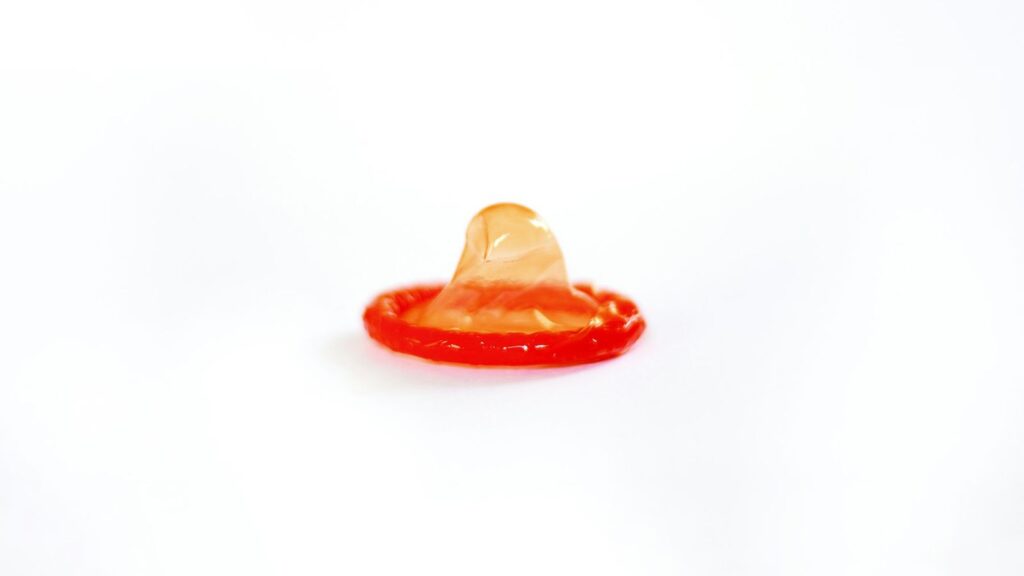
For HIV to pass on, your partner has to have HIV with a detectable viral load, and body fluids such as semen, pre-ejaculate, vaginal fluids, rectal fluids or blood have to reach a mucous membrane or broken skin. If any link in that chain is missing, there is no risk.
Chances of getting HIV from a broken condom, by type of sex
The CDC’s HIV risk estimates per exposure give a helpful starting point. These figures assume your partner has HIV and do not account for their viral load, so they describe exposure to someone known to have HIV, not a typical broken condom.
Estimated risk per exposure with a partner who has HIV
| Type of exposure | CDC estimate per 10,000 exposures | Roughly |
|---|---|---|
| Receptive anal sex | 138 | About 1 in 72 |
| Insertive anal sex | 11 | About 1 in 900 |
| Receptive vaginal sex | 8 | About 1 in 1,250 |
| Insertive vaginal sex | 4 | About 1 in 2,500 |
| Oral sex (either partner) | Low | No reliable figure given |
“Receptive” means the partner being penetrated. The CDC also notes that small risks add up with repeated exposures.
Why your real risk is often lower than the headline figures
Percentages found online usually repeat numbers like those above without context. Most broken-condom situations differ from that scenario in at least one way.

- Your partner’s status is often unknown. If they do not have HIV, there is no HIV risk, so the real chance is the figure above multiplied by the chance that they have HIV.
- Many people with HIV are on treatment. An undetectable viral load means HIV is not passed on through sex.
- The break may happen late. If it was noticed straight away and there was little contact afterwards, exposure is smaller.
Factors that raise or lower HIV risk after a broken condom
These are the details a doctor will ask about. Together they shape how seriously an exposure is taken.
Higher risk vs lower risk factors
| Factor | Tends to raise risk | Tends to lower risk |
|---|---|---|
| Type of sex | Receptive anal sex | Insertive or oral sex |
| Partner’s HIV status | Known HIV, not on treatment | Known negative, recently tested |
| Partner’s viral load | Detectable or unknown | Undetectable on treatment |
| Ejaculation | Ejaculation inside the body | No ejaculation |
| Other infections | An STI, sores or inflammation | No STIs or sores |
| Bleeding or injury | Bleeding or small tears | No bleeding |
| Recent HIV infection in partner | Very recent infection (higher viral load) | Long-term, treated HIV |
An STI check is sensible after any broken condom. Our STI testing service in Bangkok covers the common infections.
Condom broke: do I need PEP?
PEP is usually considered when the condom broke during anal or vaginal sex with a partner who has HIV and is not known to be undetectable, or whose status is unknown. It is usually not needed after oral sex or when your partner has a confirmed undetectable viral load.

Broken condom scenarios and whether to seek a PEP assessment
| Situation | Likely risk level | PEP assessment? |
|---|---|---|
| Anal sex, partner’s status unknown | Higher | Yes, as soon as possible |
| Vaginal sex, partner’s status unknown | Low to moderate | Yes, a doctor will usually advise |
| Partner has HIV, not on treatment | Higher | Yes, urgently |
| Partner undetectable on treatment | No sexual transmission | Usually not needed |
| Oral sex only | Very low | Usually not needed |
| More than 72 hours ago | Depends on the exposure | PEP too late; get tested and advised |
For a quick answer about your own situation, use our PEP self-check and 72-hour window calculator. If the 72 hours have passed, read what your options are after the 72-hour PEP window.
For the practical steps, from washing to what to say at the clinic, follow our step-by-step guide to the first 72 hours after a possible exposure.
Condom broke: do I have HIV?
You cannot tell from how you feel. Early HIV symptoms, if they happen, look like many common illnesses, and so can anxiety.
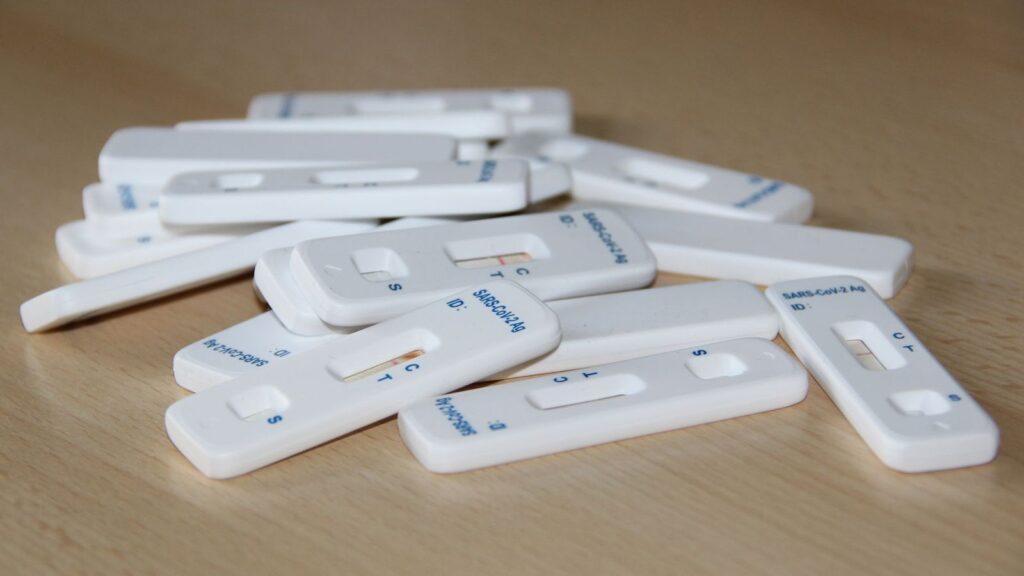
A test taken straight away shows only your status before the exposure. Our guide on when to test for HIV after a possible exposure explains the window periods, and you can book a rapid HIV test in Bangkok with results in about an hour.
How PEP changes the picture
If you start PEP quickly and take it for 28 days, it greatly reduces the chance that an exposure leads to HIV. Our article on how effective PEP is and why timing matters explains what the evidence shows.

If condoms break or slip more than once, or you are regularly unsure of partners’ status, ask about PrEP in Bangkok for ongoing protection.
Getting assessed in Bangkok
HIV PEP Bangkok is near BTS Asok and MRT Sukhumvit and open every day from 09:00 to 21:00. You can walk in for PEP without an appointment, and a first name is enough.

An English- or Thai-speaking doctor will ask what happened in a private room, test you, and, if PEP is recommended, usually give your first dose within about an hour. If you are injured or unwell, call 1669 for emergency help.
Frequently asked questions about HIV risk after a broken condom
Does one broken condom mean I will get HIV?
No. Most single exposures do not lead to HIV, even when a partner has HIV. Still, a doctor should assess you if it was anal or vaginal sex within the last 72 hours.
Is the risk the same if the condom slipped off rather than broke?
Yes, a condom that slipped off during sex is assessed in the same way as one that broke. What matters is how much contact happened without the barrier.
If my partner is on HIV treatment, is my risk zero?
If they take treatment and have a confirmed undetectable viral load, HIV is not passed on through sex. If you do not know their latest result, talk to a doctor about PEP.
Does washing straight away lower the HIV risk?
Gentle washing with water is fine, but there is no evidence it prevents HIV. Avoid scrubbing, douching or harsh products, which can irritate the skin.
What if I only noticed the condom had broken at the end?
Then doctors treat it as condomless sex for the whole time the condom may have been damaged. Your risk still depends on the type of sex and your partner’s status.
If a condom broke and you are unsure about your risk, you do not have to work it out alone. Message our clinic on LINE or WhatsApp, or call, and a doctor can help you decide on PEP and testing today.