Key takeaways
- A 4th-generation HIV test looks for both HIV antibodies and the p24 antigen, so it detects HIV earlier than antibody-only tests.
- CDC says a lab version (blood from a vein) can usually detect HIV 18 to 45 days after exposure.
- A rapid finger-stick version can usually detect HIV 18 to 90 days after exposure.
- A negative result at 4 or 6 weeks is reassuring, but a final answer needs a test after the window period for that test.
- If you took PEP, follow your doctor’s plan, usually tests at 4–6 weeks and about 3 months.
How accurate is a 4th-generation HIV test?
A 4th-generation HIV test is very accurate once you are past its window period, the time it takes for HIV to become detectable. Before that point, a negative result is encouraging but cannot be final.
So the real question is not only how accurate the test is, but how long after your exposure you took it. This guide explains what a negative result means at 21 days, 28 days and 6 weeks, using the window periods published by the CDC.
How a 4th-generation HIV test works
Older tests looked only for antibodies, which your immune system takes weeks to make. A 4th-generation test, also called an antigen/antibody test, also looks for p24, a protein that is part of the virus and appears earlier.
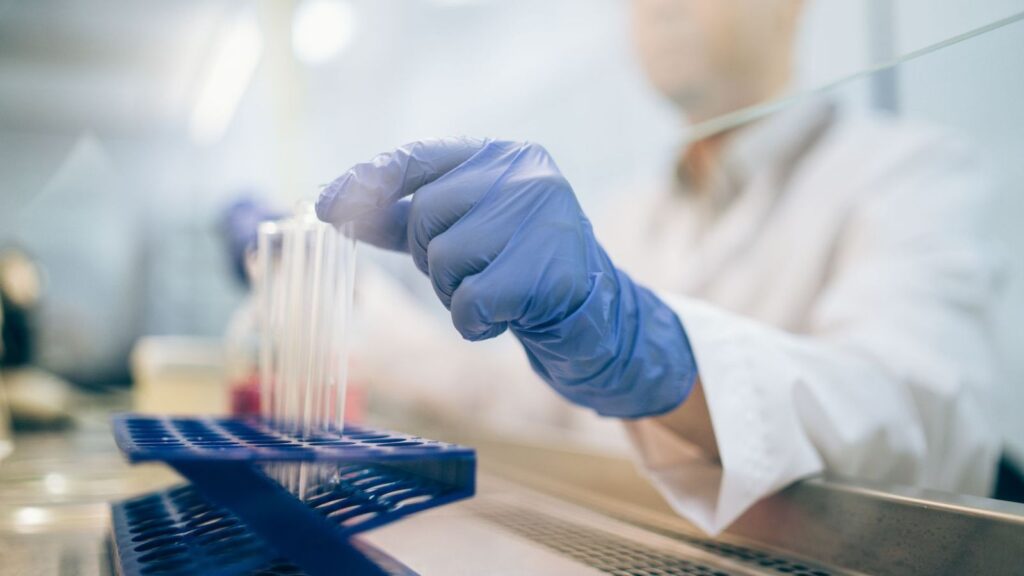
According to MedlinePlus on HIV screening tests, antigen/antibody tests are the most commonly used HIV tests. They come in two forms: a lab test on blood from a vein, and a rapid test on a drop of blood from a finger.
The 4th-generation HIV test window period
The CDC’s guide to getting tested for HIV gives these ranges for when each test can usually detect HIV. The lab and rapid versions of the 4th-generation test have different upper limits.
CDC window periods by test type
| Test type | What it detects | Can usually detect HIV |
|---|---|---|
| 4th-generation lab test (vein) | p24 antigen and antibodies | 18 to 45 days after exposure |
| 4th-generation rapid test (finger stick) | p24 antigen and antibodies | 18 to 90 days after exposure |
| Antibody-only test | Antibodies | 23 to 90 days after exposure |
| Nucleic acid test (NAT) | The virus itself | 10 to 33 days after exposure |
These are ranges because people’s bodies respond at different speeds. Most people with HIV will test positive within the range, but a test near the start of it is less certain than one near the end. For a wider view of all test types, see our guide on when to test for HIV after an exposure.
4th-generation HIV test accuracy at 21 and 28 days
At 21 days (3 weeks), you are only just inside the 18-day start of the range. A negative result is a useful first check, but many infections would not yet show.
Is a 4th-generation HIV test conclusive at 4 weeks?
At 28 days (4 weeks), you are well inside the range for both the lab and rapid versions. A negative result at this point is reassuring, and many people with HIV would test positive by then.
It is still not conclusive under the CDC ranges, because the lab test’s window runs to 45 days and the rapid test’s to 90 days. CDC advises testing again after the window period for the test you took.
Is an HIV test at 6 weeks conclusive?
At 6 weeks (42 days), a negative lab antigen/antibody test is very reassuring, as you are close to the 45-day end of its range. From day 45, about 6 and a half weeks, you are past the CDC window period for the lab test.
A rapid finger-stick 4th-generation test is different. Its CDC range runs to 90 days, so a negative rapid test at 6 weeks is encouraging but should be repeated at about 3 months.
What a negative result means by day of testing
| When you test | Lab test (vein) | Rapid test (finger stick) | Next step |
|---|---|---|---|
| Day 21 (3 weeks) | Early; not final | Early; not final | Retest later |
| Day 28 (4 weeks) | Reassuring; not final | Reassuring; not final | Retest later |
| Day 42 (6 weeks) | Very reassuring | Reassuring; not final | Retest after the window |
| Day 45 onwards | Past the window | Not yet past the window | Rapid: retest at 3 months |
| Day 90 (about 13 weeks) | Past the window | Past the window | Usually final |
CDC states that if you test after the window period, have had no possible exposure in between, and the result is negative, you do not have HIV.
When your testing plan may be different
The ranges above assume a single exposure and no HIV medicines. Some situations change the plan, so tell your doctor about them.
- You took PEP. Follow the schedule in our guide to HIV testing after finishing PEP, usually around 4–6 weeks and 3 months after the exposure.
- You missed PEP doses. Our advice on what to do after a missed PEP dose explains what to tell your doctor.
- You had another exposure after the first. The count restarts from the most recent one.
- You are on PrEP. You will have regular HIV tests as part of your care; see PrEP in Bangkok.
- You feel unwell. Symptoms cannot answer the question, as our guide to HIV symptoms after exposure explains, but a doctor may suggest an earlier-detecting test.

Home HIV self-tests are usually rapid tests too, so the same longer window applies; if you are unsure which test you had, ask the clinic or check the kit leaflet.
What a reactive 4th-generation test result means
A reactive or positive screening result is not a diagnosis on its own. MedlinePlus notes that a follow-up test is needed to confirm HIV, unless the first test was a NAT.
If your result is reactive, a doctor arranges confirmation and explains each step. Modern HIV treatment is highly effective, and getting care early matters.
Getting a 4th-generation HIV test in Bangkok
HIV PEP Bangkok, near BTS Asok and MRT Sukhumvit, offers a rapid 4th-generation HIV test with results in about an hour. Anonymous testing is available, and we are open every day from 09:00 to 21:00.

Our HIV testing service in Bangkok page explains the visit. You can add screening for syphilis, hepatitis and other STIs at the same time.
If your exposure was less than 72 hours ago, a test cannot yet tell you about it. Read what PEP is and how it works, or use the PEP self-check and 72-hour window calculator.

Past the 72-hour point already? Our guide to your options after the 72-hour PEP window explains how testing fits in.
Frequently asked questions about 4th-generation HIV tests
Does a lab 4th-generation test give a final answer sooner than a rapid one?
Yes. CDC puts the lab test’s upper limit at 45 days and the rapid finger-stick test’s at 90 days.
Should I count from the first or the last time I was exposed?
Count from your most recent possible exposure. Any new exposure after a test restarts the count.
Can a 4th-generation HIV test give a false positive?
It can happen occasionally, which is why a reactive screening result is always confirmed with a further test before any diagnosis is made.
I tested negative at 4 weeks. Do I still need another test?
Yes, if you want a final answer. Test again after the window period for the test you took: from 45 days for a lab test, or at about 3 months for a rapid test.
If you would like a test or help planning your dates, contact our Bangkok clinic by LINE, WhatsApp or phone, or walk in any day between 09:00 and 21:00.