Key takeaways
- PEP can fail, but a true failure is rare when it is started early and taken for all 28 days.
- Most people who test positive after PEP had a later exposure, or HIV was already present when PEP began.
- In one large study, only 1 of more than 2,700 people prescribed PEP had an infection linked to the medicine not working.
- Symptoms cannot tell you whether PEP worked; follow-up HIV tests can.
- If you are worried, talk to a doctor and keep to your testing plan.
Can PEP fail?
Yes, PEP can fail, but true PEP failure is uncommon. When PEP is started within 72 hours, ideally within 24, and taken every day for 28 days, it prevents most infections that would otherwise have happened.
Most HIV diagnoses after a course of PEP have a different explanation, such as a new exposure later on. This article explains what the evidence shows and how you can know your own result. For timing and effectiveness in detail, see our guide to how effective PEP is and what timing really means.
What counts as PEP failure?
Doctors separate a true failure, where HIV takes hold despite PEP being taken correctly, from infections that PEP could not have prevented. The difference matters, because it changes what the numbers mean.

True PEP failure vs other reasons for a positive test
| Situation | Counts as failure? | What it means |
|---|---|---|
| HIV despite an early start and every dose taken | Yes, a true failure | Rare |
| HIV already present before PEP began | No | Why a baseline test is done |
| A new exposure during or after the course | No | PEP only covers the original exposure |
| Late start or several missed doses | Reduced protection | Timing and adherence matter |
| Virus resistant to the PEP medicines | Possible, but rare | Why three drugs are preferred |
What the evidence says about PEP failure rates
There are no trials that give some people PEP and others a dummy pill, because that would be unethical. The evidence comes from following large groups of people who took PEP.
A large clinic cohort
A Montreal cohort study published in PLOS One followed people seen for PEP. Of 2,772 people prescribed PEP, 10 later tested positive, and only 1 of those infections could be attributed to PEP not working, a rate of 0.04%.
Nine of the 10 people who acquired HIV had continued to have higher-risk exposures after their course. In other words, the medicine was rarely the problem.
What national guidelines report
The CDC’s 2025 guidelines on non-occupational PEP report that between 0.37% and 9% of people who took PEP in various studies acquired HIV after completing it, often linked to continued exposure. That wide range reflects very different groups and levels of ongoing risk, not a failure rate for the medicine itself.
Why PEP can fail: the main reasons
When a true failure does happen, it is usually linked to one of a few factors. Most of them are things you can influence.
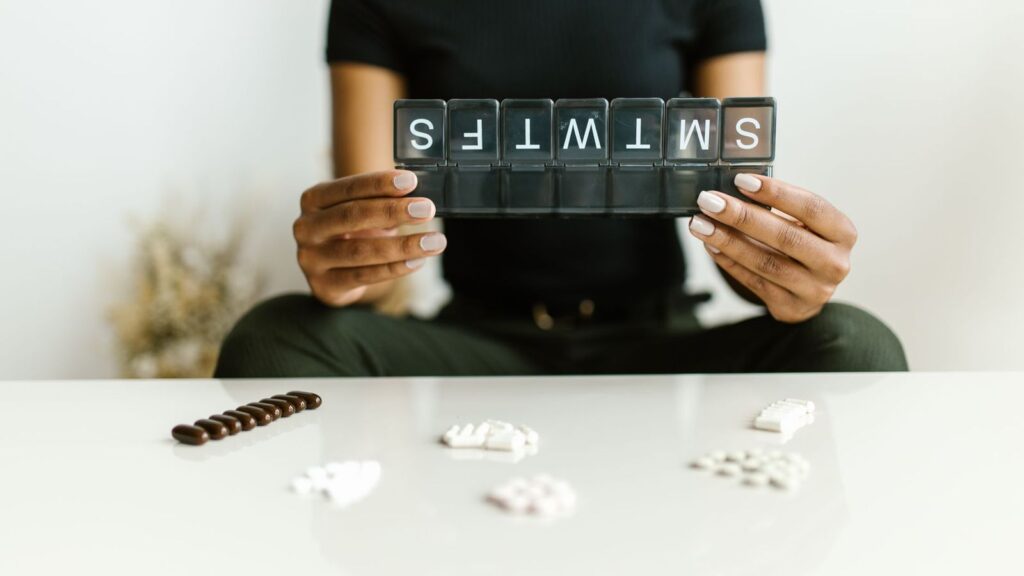
Starting late
Animal studies described in the CDC guidelines show that PEP works best when started within hours, and protection falls as the delay grows. PEP started after 72 hours is not recommended; our guide to what to do if it has been more than 72 hours explains the options.
Missed doses or stopping early
PEP needs steady drug levels for the full 28 days, as our guide to what PEP is and how the 28-day course works explains. If you forget a tablet, our guide on what to do if you miss a PEP dose explains how to get back on track without doubling up.
HIV already present at the start
If HIV was acquired during an earlier exposure, PEP cannot reverse it. This is one reason your doctor does a baseline test before the first dose.
Drug resistance
Very occasionally, the other person’s virus may be resistant to one or more PEP medicines. Guidelines prefer three-drug combinations partly to limit this risk; our guide to the medicines used in a PEP regimen explains the options.
PEP failure symptoms: can you tell from how you feel?
No. You cannot tell from symptoms whether PEP has worked, and many people feel tired, sick or achy on PEP simply because of side effects or stress.
The CDC lists possible signs of a very recent HIV infection as a flu-like illness, fever, night sweats, swollen glands, sore throat, headache, rash or tiredness. These are common with many other illnesses too, so the right step is an HIV test and a conversation with a doctor, not guessing.
Our article on HIV symptoms after exposure and why testing matters goes into this in more detail, and common PEP side effects and how to manage them explains what is expected during the course.
How follow-up testing shows whether PEP worked
Testing, not symptoms, gives you the answer. Follow-up tests are timed to allow for the window period after PEP.
HIV testing timeline around a PEP course
| When | Test | What it tells you |
|---|---|---|
| Before the first dose | Baseline HIV test | Whether HIV was already present |
| About 4 to 6 weeks after the exposure | Follow-up HIV test | An early, reassuring result for most people |
| About 3 months after the exposure | Final HIV test | The result doctors use to close the episode |
| Any time with symptoms | HIV test and review | Whether symptoms need checking further |
Our guide to testing for HIV after finishing PEP explains each result, and how accurate a 4th-generation HIV test is covers the test itself. You can have your follow-up test at our clinic through rapid HIV testing in Bangkok with results in about an hour.
PEP failure stories online: how to read them
A single story on a forum can feel frightening, especially at night. Stories are real experiences, but they rarely include the details doctors need to judge what happened.

- When was PEP started? A start near 72 hours is very different from one within a few hours.
- Were all doses taken? Several missed days change the picture.
- Was there a baseline test? Without one, HIV may already have been present.
- Were there later exposures? These explain most positive results after PEP.
Large studies, like those above, are a better guide to your own chances than any single account.
What happens if a test is positive after PEP
This is uncommon, but it helps to know that there is a clear plan. A reactive result is first confirmed with further testing, because a single result is not a diagnosis.
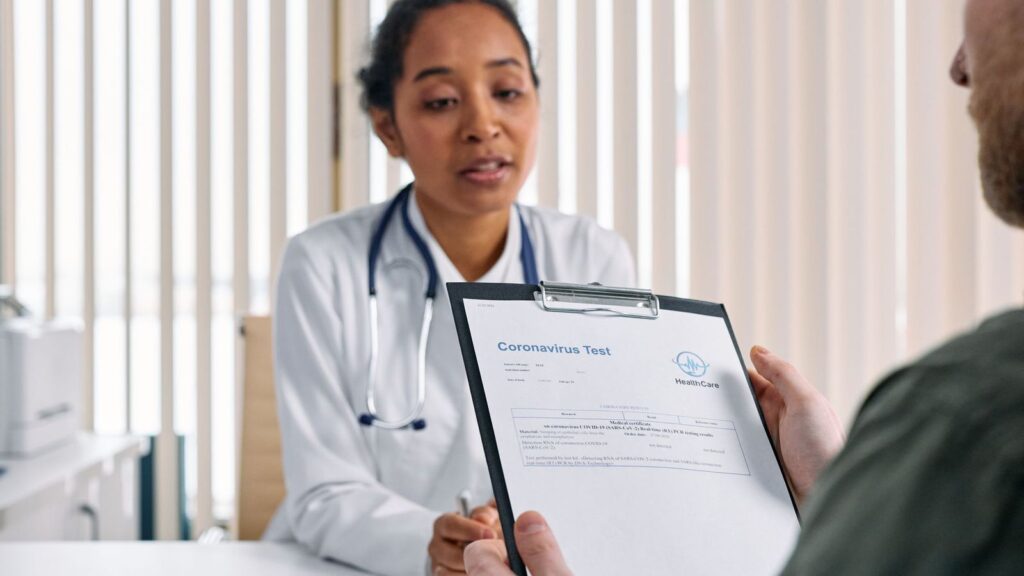
If HIV is confirmed, starting treatment early is the priority, and doctors usually check for drug resistance before choosing medicines. Modern treatment lets people with HIV live long, healthy lives, and people who keep an undetectable viral load do not pass HIV on through sex.
How to protect yourself during and after PEP
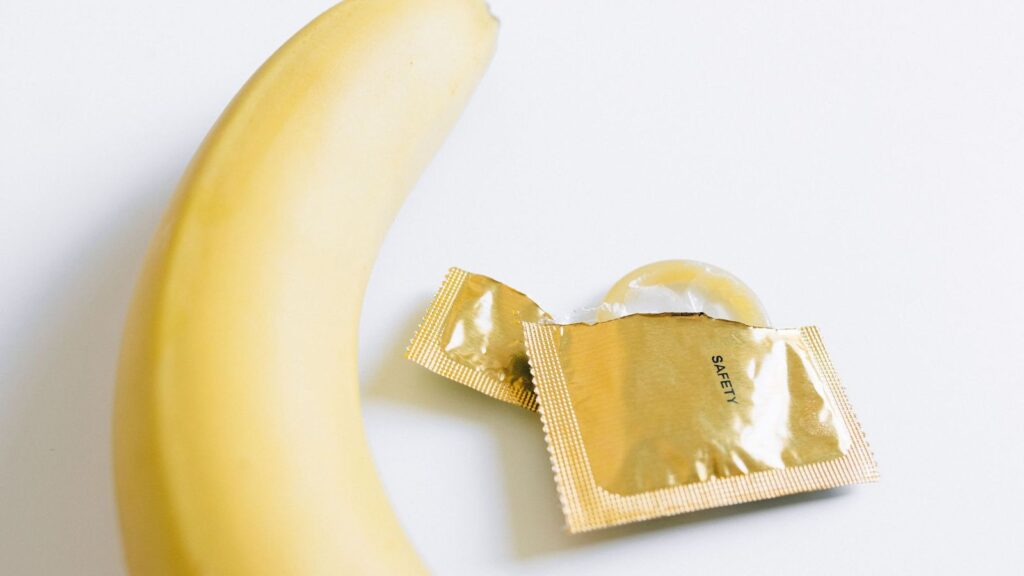
Because later exposures cause most infections after PEP, the weeks during and after your course matter. Using condoms until your follow-up tests are complete protects both you and your partners.
If you are likely to need PEP again, daily or event-based PrEP may suit you better. Our comparison of the differences between PEP and PrEP and our page on starting PrEP in Bangkok explain the options.
Frequently asked questions about PEP failure
If PEP failed, would the virus be resistant to HIV treatment?
Not necessarily. Doctors test for resistance before choosing treatment, and effective combinations are available for most people.
Is PEP failure more likely after a higher-risk exposure?
Studies have not measured this reliably for each type of exposure. What matters most is starting quickly, taking every dose and avoiding new exposures.
Can alcohol or stress make PEP stop working?
Neither stops PEP working directly, but heavy drinking can make missed doses more likely. Our guide to drinking alcohol while taking PEP has practical tips.
Could my baseline test miss an infection I already had?
A very recent infection from an earlier exposure may not show up yet. This is one reason the follow-up tests are important.
Does taking PEP several times make it less effective?
There is no evidence that earlier courses make PEP work less well. If you need it often, ask about PrEP.
If you are worried about your PEP course or your results, contact our Bangkok clinic by LINE, WhatsApp or phone. A doctor can review your timing, your doses and your testing plan with you in private.