Key takeaways
- After a needle-stick injury, wash the wound gently with soap and running water, then get medical advice the same day.
- The HIV risk from one needle-stick injury is low, even when the blood is known to contain HIV.
- If PEP is needed, it works best started as soon as possible, ideally within hours and no later than 72 hours.
- Hepatitis B and C carry a higher risk than HIV after a sharps injury, so the doctor checks for those too.
- Report workplace injuries and plan follow-up HIV tests at about 4–6 weeks and 3 months.
Needle-stick injury and HIV: what to do right now
If you have just had a needle-stick injury, HIV is possible but unlikely, and there are clear steps that lower the risk further. Clean the wound, report it, and see a doctor promptly so they can decide whether you need PEP.
This guide is for health and cleaning staff, tattoo artists, piercers and members of the public. The first aid and the 72-hour timeline are the same for everyone.
First aid after a needle-stick injury
The CDC NIOSH first aid and reporting advice for bloodborne exposures is simple: wash needle-sticks and cuts with soap and water, then seek medical care straight away. Occupational health guidance in the UK adds a few practical details.
- Let the wound bleed gently, ideally under running water.
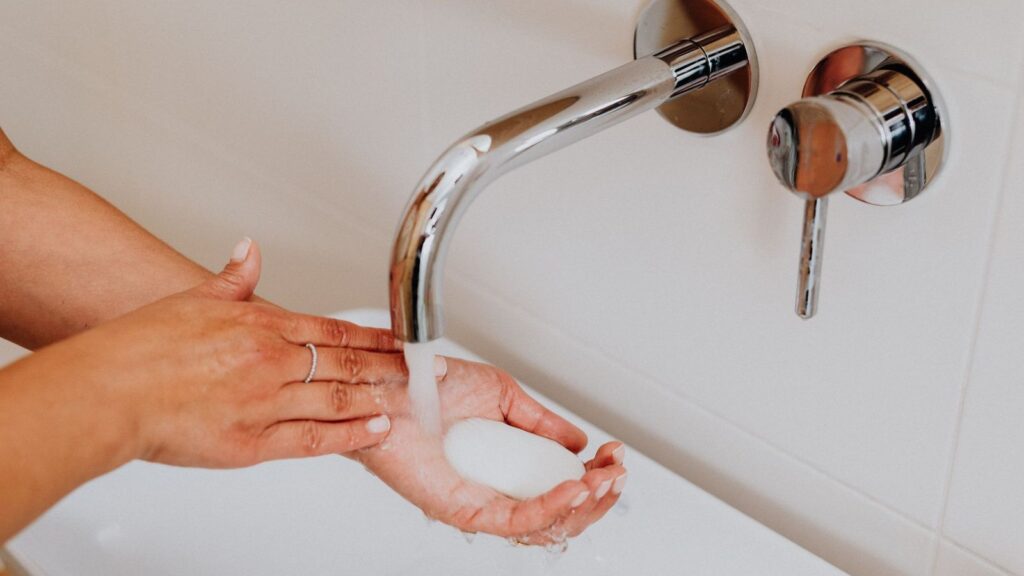
- Wash with soap and plenty of running water. Do not scrub the wound.
- Do not suck the wound.
- Dry it and cover it with a waterproof plaster or dressing.
- Splashes to the eyes, nose or mouth: rinse with plenty of clean water or saline.
Then put the needle in a sharps container. Needles are not tested for HIV, so there is no need to bring it.
How high is the HIV risk from a needle-stick injury?
The risk is lower than most people expect. The 2025 US Public Health Service guideline on occupational HIV exposure estimates the average risk after a needle-stick with blood known to contain HIV at 0.23%, or roughly 1 in 435.
For splashes to the eyes, nose or mouth, the same guideline puts the average risk at about 0.09%. It also notes that there have been no reports of HIV acquired at work in the United States since 2008.
What makes the risk higher or lower
Your doctor asks about the details below to judge your own risk.
| Factor | Tends to raise the risk | Tends to lower the risk |
|---|---|---|
| Depth of injury | Deep puncture | Surface scratch |
| Amount of blood | Visible blood on the device | No visible blood |
| Type of needle | Hollow needle used in a vein or artery | Solid needle, such as for stitching |
| Source person’s HIV | Untreated, high viral load | On treatment with an undetectable viral load |
| Body fluid | Blood | Saliva, urine, sweat or tears without visible blood |
The US guideline found no HIV transmissions at work from source patients with an undetectable viral load. In that situation, you and your doctor decide together whether PEP is worthwhile.
Hepatitis B and C after a sharps injury
HIV is usually the first worry, but hepatitis B and hepatitis C pass through needle-stick injuries more easily. Your doctor will ask whether you have had the hepatitis B vaccine and may test for both viruses.
Our clinic’s STI and hepatitis B and C screening in Bangkok covers these blood tests. Health workers should also follow their employer’s hepatitis policy.
Do you need PEP after a needle-stick injury?
PEP (post-exposure prophylaxis) is a 28-day course of HIV medicines that can stop the virus taking hold. It is not needed after every needle-stick, so a doctor weighs the injury, the fluid and what is known about the source person. Our guide to what PEP is and how the 28-day course works explains the basics.

Needle-stick situation and what to do next
| Situation | Usual next step |
|---|---|
| Source has HIV and is not on treatment | Start PEP as soon as possible |
| Source has HIV with an undetectable viral load | Decide with a doctor; PEP often not needed |
| Source status unknown, testing possible | Start PEP if advised; review once results are back |
| Needle from an unknown source or found in public | See a doctor the same day for an individual decision |
| Source confirmed HIV-negative | PEP usually not needed or can be stopped |
| More than 72 hours have passed | PEP not advised; plan HIV testing |
Do not wait for the source person’s test result before starting PEP. If it comes back negative, a doctor can stop the course; never stop it on your own.
If you are unsure whether your injury counts as an exposure, the PEP self-check and 72-hour window calculator helps you decide how urgent it is.
PEP after a needle-stick injury: timing and effectiveness
PEP should start as soon as possible and no later than 72 hours after the injury. The earlier the first dose, the better it is likely to work. For more on this, see how effective PEP is and what helps it work.
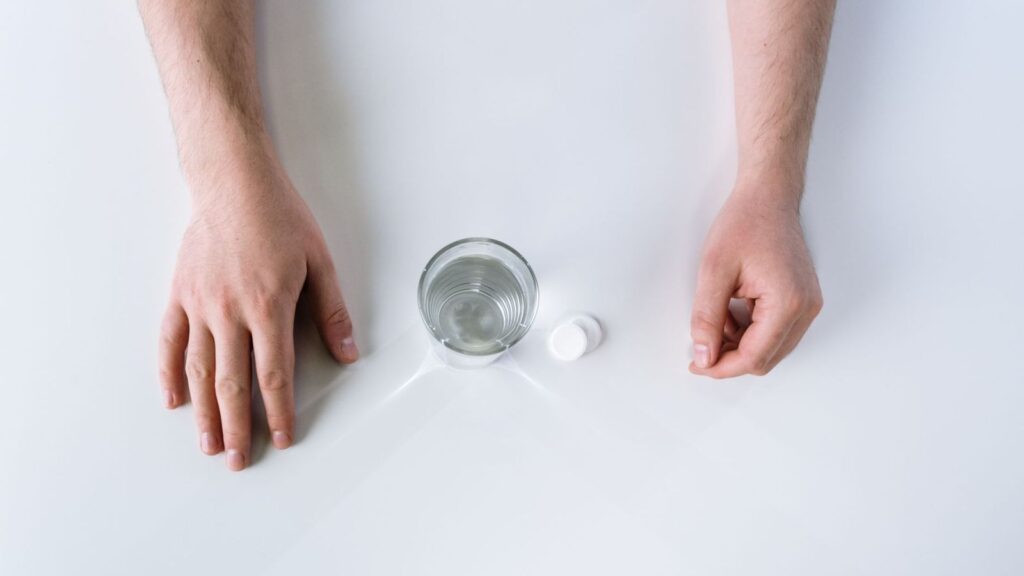
PEP is not 100% effective, but taking every dose makes a real difference. Most people tolerate the medicines well; our guide to common PEP side effects and how to manage them covers what to expect. If you have already passed the 72-hour mark, read about your options after the 72-hour PEP window.
Advice for health, tattoo and piercing workers
If you work in a hospital or clinic, report the injury to your supervisor or occupational health team straight away and complete an incident report. Your workplace may have its own exposure protocol and may arrange source-patient testing with consent.
Tattoo artists, piercers and other studio workers
Studio workers often have no occupational health service. Follow the same first aid and see a doctor promptly.
- Note the time of the injury, as the 72-hour clock starts then.
- If the client agrees, knowing their recent HIV and hepatitis test results can help the doctor.
- Use single-use needles and a sharps container, and never recap used needles.
Members of the public
A needle found in a park, on a beach or in a bin carries an unknown risk. See a doctor the same day rather than judging it yourself.
HIV testing after a needle-stick injury
A baseline HIV test at your first visit shows your status before the injury. Follow-up tests are usually planned at about 4–6 weeks and again at about 3 months after the exposure.
The 2025 US occupational guideline recommends a final laboratory antigen/antibody test with a nucleic acid test at 12 weeks. Our guide on when to test for HIV after an exposure explains window periods, and our article on how accurate a 4th-generation HIV test is at 4 and 6 weeks covers results in detail.

Until your final test, use condoms during sex and do not donate blood. If you took PEP, see HIV testing after finishing PEP. If you feel unwell in the weeks after, our guide to HIV symptoms after exposure explains why symptoms cannot give an answer.
Getting help after a needle-stick injury in Bangkok
HIV PEP Bangkok is near BTS Asok and MRT Sukhumvit and is open every day from 09:00 to 21:00. You can walk in for PEP without an appointment and talk to an English- or Thai-speaking doctor in a private room.
After baseline tests, most people take their first PEP dose at the clinic within about an hour and leave with the full 28-day supply and a medical letter. If it is late at night, see our guide to getting emergency PEP in Bangkok at night or at weekends. For a serious injury or heavy bleeding, call 1669.
Frequently asked questions about needle-stick injuries and HIV
Should I squeeze the wound after a needle-stick?
You do not need to force it. Occupational guidance advises letting the wound bleed gently under running water, washing it with soap, and not scrubbing or sucking it.
Do I need to bring the needle to the clinic?
No. Needles are not tested for HIV. Dispose of it safely in a sharps container or a rigid, closed container.
Can HIV pass through a needle-stick from saliva or urine?
Saliva, urine, sweat and tears are not considered infectious for HIV unless they contain visible blood. Tell the doctor exactly what was on the needle.
Should I avoid sex after a needle-stick injury?
You do not need to avoid sex, but use condoms until your final HIV test is negative. Avoid donating blood during this time too.
What if the source person refuses an HIV test?
Your doctor will decide on PEP based on the injury and what is known about the source. Starting PEP should never wait for the other person’s decision.
If you have had a needle-stick injury in the last 72 hours, contact our Bangkok clinic by LINE, WhatsApp or phone, or simply walk in, and a doctor will help you decide on the next step. For an overview of the first hours after any exposure, see our step-by-step plan after a possible HIV exposure.