Key takeaways
- Most people have a follow-up HIV test about 4–6 weeks after the exposure and a final test about 3 months after it.
- A test during the 28-day course cannot show whether PEP worked.
- PEP can delay when an infection shows up, so count your waiting time from your last PEP dose as well as from the exposure.
- A 4th-generation test is the usual choice. RNA (PCR) tests are for specific situations a doctor recommends.
- Use condoms and avoid donating blood until your final result is negative.
When should you have an HIV test after PEP?
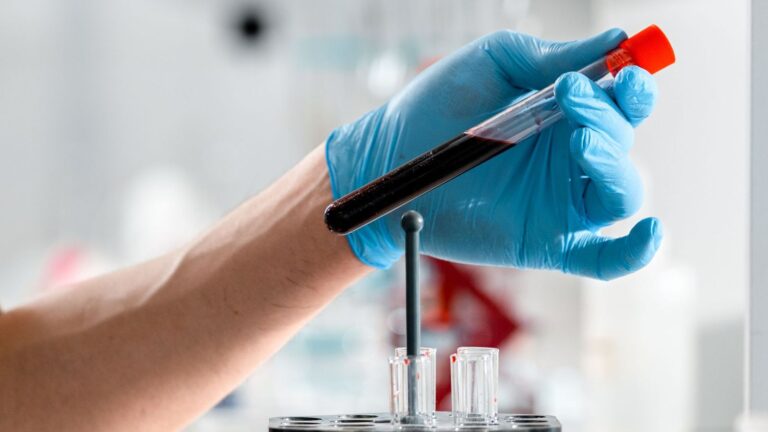
The usual plan for an HIV test after PEP is a first follow-up about 4–6 weeks after the exposure and a final test about 3 months after it. You will also have had a baseline test before your first dose, to confirm you were HIV-negative when you started.
Your doctor may adjust this plan depending on the test used, how the course went and any new exposures. If you are unsure what PEP is for, start with our guide to what PEP is and how the 28-day course works.
Typical HIV testing timeline after PEP
| When | Test | Why |
|---|---|---|
| Before the first dose | Baseline HIV test | Confirms you were HIV-negative when PEP started |
| During the 28 days | Usually none for HIV | A result now would not answer whether PEP worked |
| About 4–6 weeks after exposure | HIV test | An early check once the course is finished |
| About 3 months after exposure | HIV test | The final confirmation |
Why a test during PEP does not tell you much
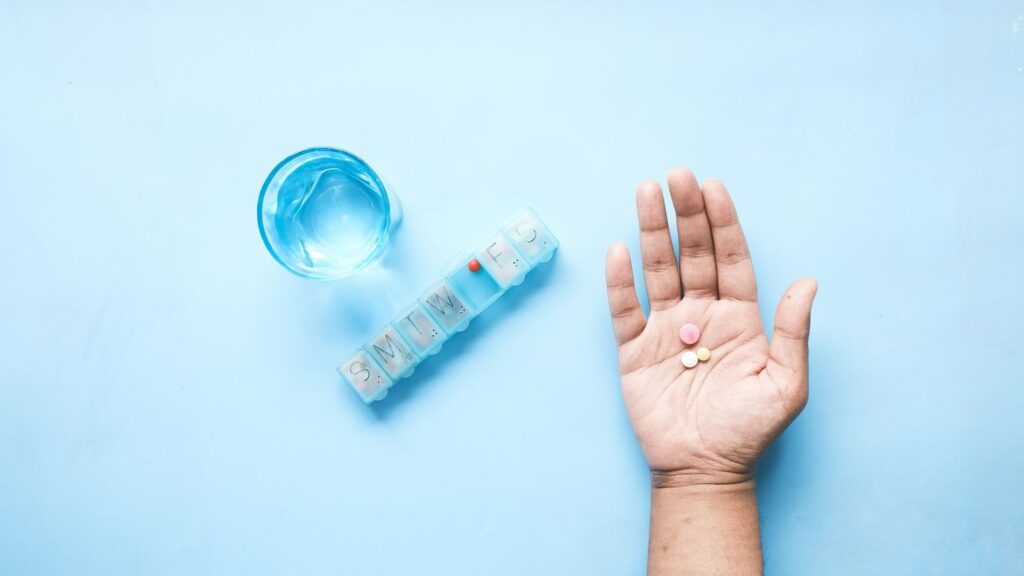
While you are taking PEP, the medicines are working to stop the virus from taking hold. If an infection were starting, PEP could hold the virus at very low levels, so a test during the course could be negative even though the question is not settled.
That is why the useful tests come after the course. Focus on taking every dose on time; if you have missed one, our guide on what to do after a missed PEP dose explains when to call the clinic.
HIV window periods by test type
Every HIV test has a window period: the time after an exposure before the test can usually detect an infection. According to the CDC’s guidance on HIV testing and window periods, these are the usual ranges.
How soon each HIV test can usually detect an infection
| Test type | Usually detects HIV |
|---|---|
| Nucleic acid test (NAT, RNA or PCR) | 10 to 33 days after exposure |
| Laboratory antigen/antibody test | 18 to 45 days after exposure |
| Rapid antigen/antibody test | 18 to 90 days after exposure |
| Antibody-only test | 23 to 90 days after exposure |
These ranges describe people who have not taken PEP. The CDC advises that if you test negative after a possible exposure, you test again once the window period for your test has passed. For the general picture, read when to test for HIV after a possible exposure.

Does PEP change how long you need to wait?
It can. If PEP does not fully prevent an infection, the medicines may still slow the virus down, which can push back the point at which a test picks it up.
The UK treatment charity i-base explains HIV testing after PEP this way: a 4th-generation test 6 weeks after your last PEP dose gives a final answer, while an antibody-only test needs 8 weeks after the last dose. Counting from the last dose, rather than from the exposure alone, is why a final test at about 3 months after the exposure makes sense.
Rapid, 4th-generation or RNA test after PEP?
You do not need the most expensive test to get a reliable answer. You need the right test at the right time.
Test options after PEP compared
| Test | Role after PEP | Things to know |
|---|---|---|
| Rapid 4th-generation test | Standard follow-up | Result in about an hour at our clinic |
| Laboratory 4th-generation test | Standard follow-up or confirmation | Result takes longer |
| RNA (PCR) test | Specific situations only | Not a shortcut past the final test |
| Antibody-only or self-test | Not ideal after PEP | Longest waiting time |
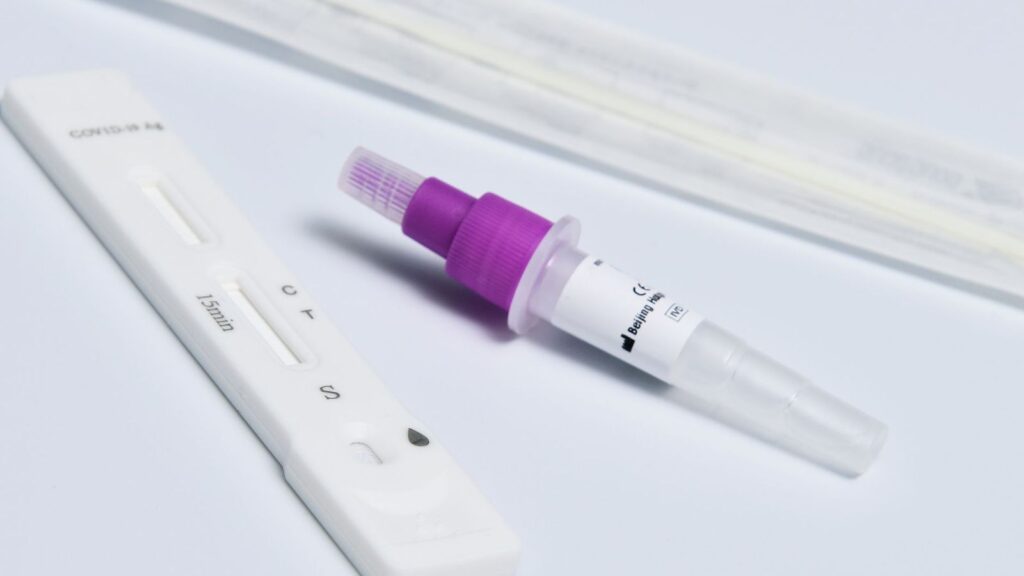
A rapid HIV test after PEP is usually enough when the timing is right. Doctors sometimes add an RNA test, for example if you have symptoms that could be early HIV, but it does not replace the final test.
What your follow-up HIV test results mean
| Result | What it means | What to do |
|---|---|---|
| Negative at 4–6 weeks | A good sign, but not final | Keep your 3-month test |
| Negative at about 3 months | PEP worked, if there were no new exposures | Think about PrEP if risk continues |
| Reactive | Needs confirmation | Confirmatory testing and a talk with a doctor |
| Unclear or invalid | The test did not give an answer | Repeat the test |
PEP is very effective when started early and taken fully, but it is not 100% effective. Our article on how effective PEP is and why timing matters explains the evidence. If a result is confirmed positive, treatment works well, and people with an undetectable viral load do not pass HIV on through sex.
Looking after yourself while you wait
- Use condoms, and avoid sharing injecting equipment, until your final result.
- Do not donate blood during this time.
- Tiredness, nausea or headache during the course are usually medicine side effects; see our guide to PEP side effects and how to manage them.
- Consider a check for other infections, because PEP does not protect against them. Our same-day STI testing in Bangkok covers syphilis, hepatitis B and C, gonorrhoea and chlamydia.
- If worry is affecting your sleep or daily life, talk to us. You do not have to wait alone.

Follow-up HIV testing in Bangkok
If you took PEP with us, we send reminders for your follow-up tests. You can have them at our clinic near BTS Asok, with a rapid 4th-generation result in about an hour; see our page on anonymous, rapid HIV testing in Bangkok.

If you are leaving Thailand, the medical letter you received with your PEP lets your own doctor carry on the testing plan at home.
After a negative final test: is PrEP right for you?
If you needed PEP once and expect similar situations again, PrEP can protect you before any exposure. Read PEP or PrEP: which one you need, or see our HIV PrEP screening and prescriptions in Bangkok.
Frequently asked questions about testing after PEP
Do I count the weeks from the exposure or from my last PEP dose?
Both matter. The usual plan counts from the exposure (about 4–6 weeks and 3 months), and the final test also falls well after your last dose, which allows for any delay PEP may cause.
Should I have an HIV test while I am still taking PEP?
Usually not, apart from the baseline test. A result during the course cannot tell you whether PEP has worked.
Can an RNA (PCR) test after PEP replace the 3-month test?
No. An RNA test can be useful in specific situations, but it does not replace the final antigen/antibody test.
Does my testing plan change if I missed PEP doses?
It may. Tell the doctor about any missed doses, because they may suggest extra or later tests.
Can I do my follow-up tests in another country?
Yes. Take your medical letter to a clinic at home, and ask for a 4th-generation antigen/antibody test at the planned times.
If you have questions about your own testing plan, or it is time for your next test, contact our clinic by LINE, WhatsApp or phone and we will help you plan it.