Key takeaways
- No HIV test can detect HIV immediately after an exposure. The gap before a test can pick it up is called the window period.
- The window period depends on the type of test, from about 10 days for the most sensitive lab tests to about 90 days for some rapid and antibody tests.
- If you took PEP, a typical plan is a test at your first visit, then at about 4–6 weeks and about 3 months after the exposure.
- A negative test taken inside the window period needs to be repeated later to be sure.
- Test for other STIs too, as many cause no symptoms.
What is the HIV window period?
After HIV enters the body, it takes time before a test can find it. During this time the virus is multiplying, and the body is starting to make antibodies against it, but the levels are still too low to measure. This gap is called the window period.
A test taken during the window period can come back negative even if HIV is present. That does not mean the test is faulty. It means it was taken too early to give a final answer. Knowing the window period for your test helps you plan when to test, and when a negative result can be trusted.
HIV test types and their window periods
Different tests look for different things. Some detect the virus itself, some detect a protein from the virus called p24 antigen, and some detect the antibodies your body makes. The CDC’s guide to getting tested for HIV gives these usual detection ranges:
| Test type | What it looks for | Can usually detect HIV |
|---|---|---|
| Nucleic acid test (NAT) | The virus itself | 10 to 33 days after exposure |
| Antigen/antibody lab test (blood from a vein) | p24 antigen and antibodies | 18 to 45 days after exposure |
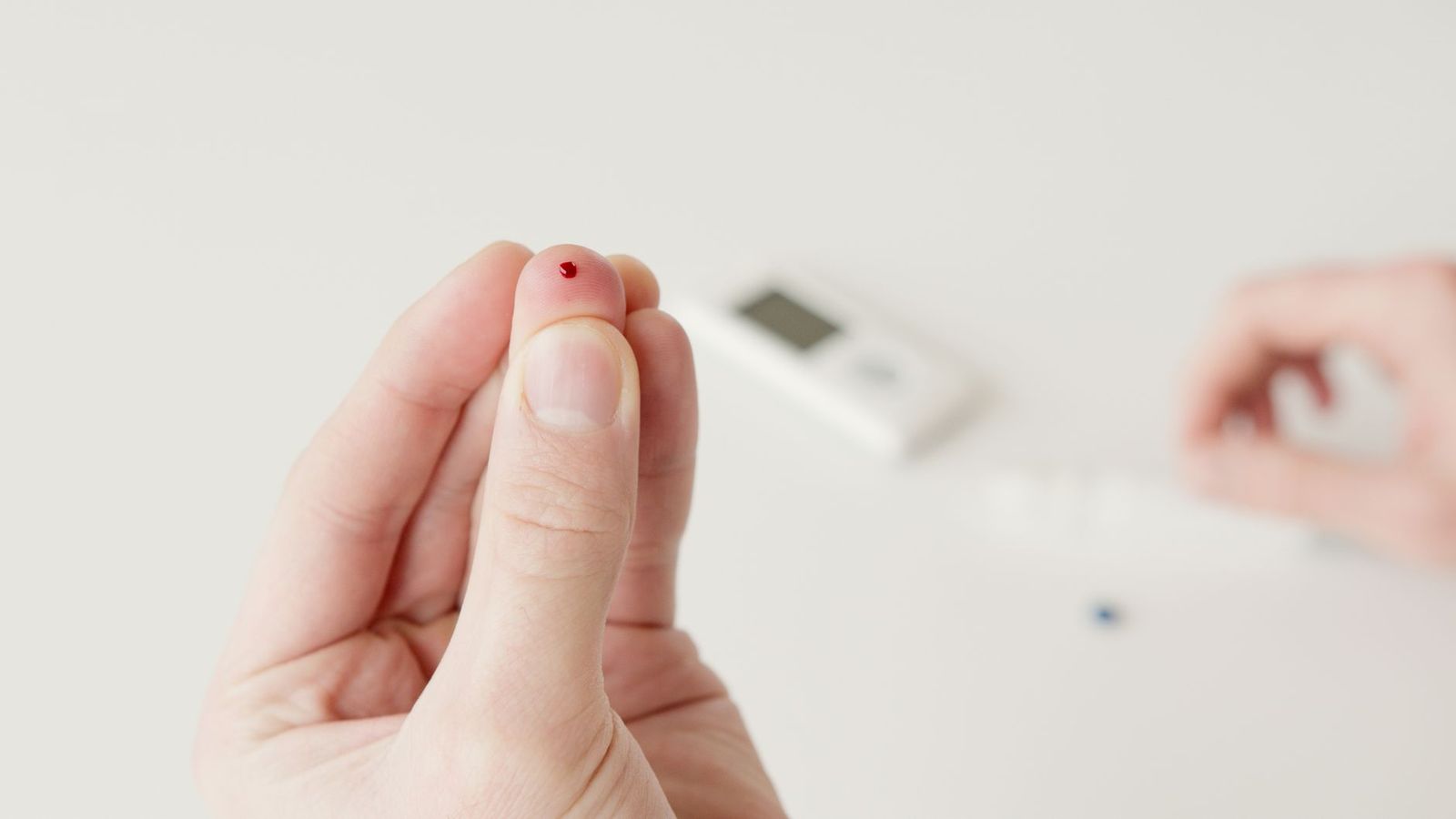
| Rapid antigen/antibody test (finger-stick blood) | p24 antigen and antibodies | 18 to 90 days after exposure |
| Antibody test | Antibodies only | 23 to 90 days after exposure |
These are ranges, not fixed dates, because everyone’s body responds at a different speed. Most people will test positive within the range if they have HIV, but a test at the very start of the range is less certain than one near the end. Antigen/antibody tests are often called 4th-generation tests.
When should I test if I did not take PEP?
If the exposure was more than 72 hours ago, or you decided not to take PEP, a common approach is:
- Test now if you would like a starting point. A test soon after the exposure cannot rule out HIV from that event, but it shows your status before it, which is useful if you have had other risks in the past.
- Test again once you are inside the window for your test. For example, a lab antigen/antibody test from around 6 weeks can give strong reassurance.
- Test at about 3 months. At 90 days you are beyond the upper end of every range in the table above, so a negative result then is usually treated as final for that exposure.
If you had any further risks in the meantime, the clock restarts from the most recent one. A doctor can help you work out the right dates.
When should I test if I took PEP?
PEP changes the plan slightly. Because you have been taking HIV medicines, the doctor will usually follow a set schedule to confirm that PEP worked. (If you are new to it, here is how PEP works and who it is for.)
| When | Why |
|---|---|
| At your first visit, before starting PEP | Confirms you were HIV-negative when you began |
| About 4–6 weeks after the exposure | An early check after finishing the 28-day course |
| About 3 months after the exposure | The final confirmation that PEP worked |
Your doctor may adjust this depending on the tests available and your situation. If you move straight from PEP to PrEP, you will also have HIV tests as part of your PrEP check-ups. Our guide to the differences between PEP and PrEP explains how that switch works.
If you are still deciding whether to take PEP and the exposure was within the last 72 hours, don’t wait for a test result to decide. Read what to do after a possible HIV exposure and contact a clinic now.
What do HIV test results mean?
Negative (non-reactive)
No HIV was detected. If the test was taken after the window period for that test, and you have had no new risks since, you can usually treat it as a reliable result. If it was taken inside the window period, you will need to test again later.
Reactive (preliminary positive)
A reactive result on a rapid test is not a diagnosis. It means further testing is needed, usually a lab test on a blood sample, to confirm whether HIV is present. Reactive results are sometimes not confirmed. If HIV is confirmed, effective treatment is available, and people on treatment with an undetectable viral load do not pass HIV on through sex.
Invalid
Occasionally a test does not work properly, for example if the sample was too small. The test is simply repeated.

Is a home HIV test accurate?
Self-tests can be a helpful and private option, but most use oral fluid or finger-stick blood and look for antibodies, so their window period is at the longer end of the range. A negative self-test taken soon after an exposure does not rule out HIV. Any reactive self-test result needs confirming at a clinic. If you want an earlier or more certain answer, a clinic test is usually the better choice.
Should I test for other STIs as well?
Yes. The same exposure that carries a risk of HIV can also pass on other sexually transmitted infections, and many of them cause no symptoms at first. A full screen usually covers:
- syphilis
- hepatitis B and hepatitis C
- gonorrhoea and chlamydia, tested from urine or swabs depending on the type of sex
Each infection has its own window period. Gonorrhoea and chlamydia can often be picked up within a couple of weeks, while syphilis and hepatitis can take longer, so your doctor may suggest repeating some tests at your 3-month HIV check. Most bacterial STIs can be treated easily once found.
How to cope with the wait
Waiting for a final result can be stressful. It can help to:
- write your test dates in your calendar so you don’t have to keep counting
- avoid testing again and again inside the window period, as early negatives don’t add certainty
- use condoms until your final result, to protect your partners and yourself
- talk to someone you trust, or to a doctor, if anxiety is affecting your sleep or daily life
Remember that flu-like symptoms are common for many reasons and are not a reliable sign of HIV. Only a test can tell you.
Frequently asked questions about HIV testing after exposure
If my partner tests negative, do I still need to test?
Usually, yes. Your partner could be in their own window period, so their negative result does not fully rule out HIV. Follow your own testing plan unless a doctor advises otherwise.
Is a negative result at 6 weeks conclusive?
A negative lab antigen/antibody test at 6 weeks is very reassuring for most people. A final test at about 3 months is usually still advised, especially after PEP or with a rapid test.
Can I test anonymously?
Yes. Many clinics, including ours, offer anonymous or first-name-only HIV testing. Ask when you book or arrive.
Do I need to fast before an HIV test?
No. HIV tests do not require fasting. If your doctor also plans other blood tests, they will tell you if any preparation is needed.
Does having symptoms mean I should test sooner?
Symptoms are not a reliable guide, but if you feel unwell after an exposure, tell a doctor. They may suggest a test that detects HIV earlier.
If you are unsure whether your exposure needed PEP, our PEP self-check can help. For a rapid 4th-generation HIV test with results in about an hour, plus STI screening and follow-up reminders, see our HIV and STI testing services in Bangkok or book a confidential test.