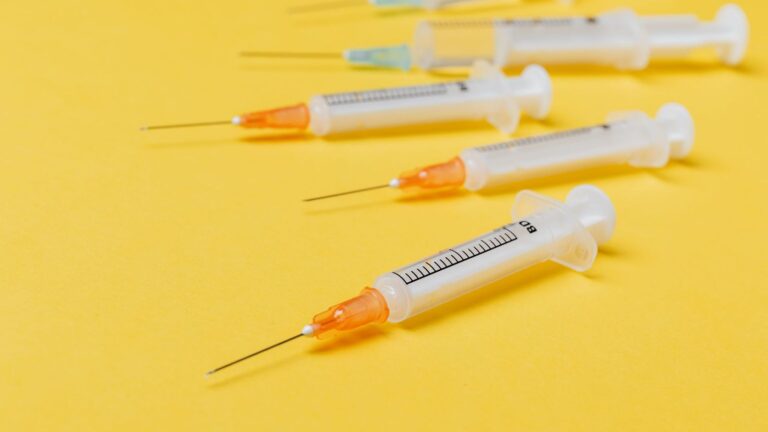
Needle-stick injury and HIV: first aid, risk and PEP
What to do in the first minutes after a needle-stick injury, how small the HIV risk usually is, when PEP makes sense, and which follow-up tests you need.
Archive
What to do in the first minutes after a needle-stick injury, how small the HIV risk usually is, when PEP makes sense, and which follow-up tests you need.
Oral sex carries a very low risk of HIV. Here is how giving and receiving compare, what can raise the risk, when to talk to a doctor, and which STIs to test for.
True PEP failure is rare. Here is what the studies show, why most infections after PEP have another cause, and how follow-up testing gives you the real answer.
PEP is a 28-day course. Here is why finishing it matters, what to do if you want to stop early, and what happens on day 28 and after.
Alcohol does not stop PEP working, but it can make nausea worse and doses easier to miss. Here is how to plan a night out or a holiday in Bangkok during your course.
A plain-language guide to the three medicines in a standard PEP regimen, the accepted alternatives, and how to take your pills safely for 28 days.
A broken condom is worrying, but the chance of HIV from a single exposure is usually low. Here is what changes your risk and when PEP is worth considering.
PEP is highly effective when started early and taken for all 28 days. Here is what the evidence does and does not show about timing, and what helps it work.
If more than 72 hours have passed since a possible HIV exposure, PEP is no longer recommended. Here is what you can still do, step by step.
Late or missed a PEP dose? Here is what to do depending on how many hours have passed, what never to do, and when to call your clinic.
Possible exposure?
Walk in, message a nurse or book online. Confidential, with no judgement.