Key takeaways
- Most people on modern PEP have no side effects or only mild ones, such as nausea, tiredness or headache.
- Side effects usually appear in the first few days and often ease within one to two weeks.
- Most symptoms can be managed at home, and your doctor can help if they don’t settle. Don’t stop PEP on your own.
- Taking every dose for the full 28 days matters more than anything else. If you miss a dose, take it as soon as you remember, but never double up.
- Call your clinic straight away about a rash, yellow skin or eyes, severe stomach pain or feeling very unwell.
If you have just started PEP, or are about to, it is natural to wonder how the medicines will make you feel. This guide explains what to expect over the 28 days, how to manage the most common side effects, and when it is worth calling your clinic. If you want a refresher on the medicines themselves, see our overview of what PEP is and how it works. If you haven’t started yet, read what to do after a possible HIV exposure first.
What are the side effects of PEP?
PEP usually combines three HIV medicines, often tenofovir with lamivudine or emtricitabine, plus dolutegravir. These modern regimens are much easier to take than older ones, and many people get through the whole course with little or no trouble.
When side effects do happen, they tend to be mild, start in the first days, and fade as your body gets used to the medicines. HIV.gov notes that nearly all PEP side effects can be treated and are not life-threatening.
Common and uncommon PEP side effects, and how to manage them
This table covers the side effects people ask about most. It is general information, so follow your own doctor’s advice if it differs.
| Side effect | How common | How to manage it |
|---|---|---|
| Nausea or upset stomach | Common | Take your dose with food, eat smaller meals, and sip water. Ask your doctor about anti-sickness medicine if it continues. |
| Diarrhoea or bloating | Common | Drink plenty of fluids and eat plain food. Contact your clinic if it is severe or lasts more than a few days. |
| Headache | Common | Rest, drink water, and ask your doctor or pharmacist which pain relief is suitable for you. |
| Tiredness | Common | Keep a regular sleep routine and plan lighter days during the first week if you can. |
| Trouble sleeping or vivid dreams | Less common | Ask your doctor whether taking your dose in the morning would help. |
| Skin rash | Uncommon | Contact your clinic promptly. Don’t wait to see whether it spreads. |
| Yellow skin or eyes, dark urine, severe stomach pain | Rare | Contact your clinic the same day, as these can be signs of a liver problem. |
| Swelling of the face or throat, difficulty breathing | Very rare | This is an emergency. Call 1669 in Thailand or go to the nearest hospital. |
Your clinic may also check your kidney function with a blood test, because tenofovir can occasionally affect the kidneys. Problems are uncommon over a 28-day course, and the check is a routine precaution.
What to expect week by week over the 28 days
Everyone is different, but this is a typical pattern.
Days 1–3: getting started
You take your first dose at the clinic and the rest at home. Mild nausea, a headache or tiredness can appear in the first day or two. Many people feel nothing at all. Anxiety about the exposure can also make you notice every small change in your body, so try not to assume every symptom is caused by the medicines.
Week 1: settling in
This is when side effects are most likely. Taking your dose with food, at the same time every day, usually helps. If symptoms make it hard to keep your tablets down, call your clinic rather than skipping doses.
Week 2: easing off
For most people, side effects are fading by now. Taking the tablets starts to feel like a routine. Keep going, even if you feel completely well.
Weeks 3–4: finishing the course
This is when motivation often dips. Your risk only falls fully if you finish all 28 days, so keep your reminders going until the last tablet.
After day 28: follow-up tests
Any side effects should clear within days of stopping. You will then need follow-up HIV tests, usually at around 4–6 weeks and 3 months after the exposure. Our guide on when to test for HIV after an exposure explains the schedule.
How to remember to take PEP every day
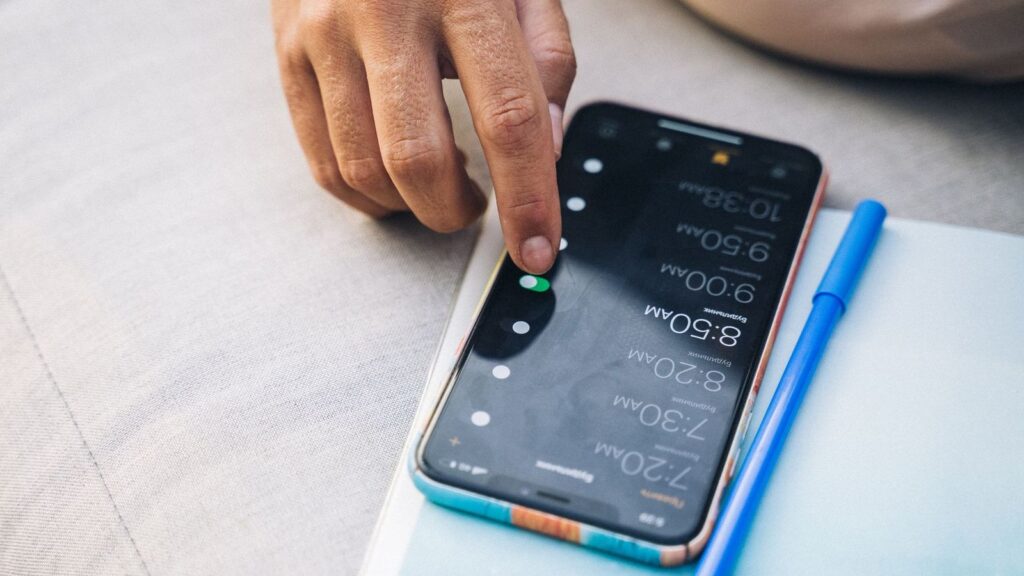
Good adherence is what makes PEP work. These simple habits help:
- Set a daily alarm on your phone, labelled so you know what it is for.
- Link it to a routine, such as breakfast or brushing your teeth.
- Keep a few spare doses with you in a small container, in case you are away from home.
- Tick off each day on a calendar or in a notes app.
- Plan ahead for travel, including time zone changes, and keep your medicine in your hand luggage with your medical letter.
What if you miss a dose of PEP?
Take the missed dose as soon as you remember, unless it is almost time for your next one. In that case, skip the missed dose and carry on as normal. Never take two doses at once to make up for it. If you miss more than one dose, contact your clinic for advice, because they may want to check that your course is still working as it should.
If you vomit soon after taking a dose, don’t take another tablet straight away. Call your clinic and ask what to do.
Medicines and supplements to mention to your doctor
Some products can affect how well PEP medicines are absorbed. This matters most for dolutegravir, which can bind to minerals in the gut. Tell your doctor or pharmacist if you take:
- Antacids or indigestion remedies
- Supplements or multivitamins containing calcium, iron, magnesium, zinc or aluminium
- Laxatives
- Herbal remedies
- Any other medicines, including prescription medicines and gym supplements
In many cases, you can still take these by spacing them apart from your PEP dose. Your doctor will explain the timing that is right for you. The NHS also has advice on preventing HIV, including where to get PEP.
When to call your clinic about side effects

Contact your clinic if you have:
- A rash, especially with a fever or sore throat
- Yellowing of the skin or the whites of the eyes, or very dark urine
- Vomiting or diarrhoea that stops you from keeping your doses down
- Severe stomach pain
- Low mood or anxiety that is getting worse
- Any symptom that makes you want to stop taking PEP
A flu-like illness with a rash during or soon after PEP needs checking, because it can have several causes, including early HIV infection. Your doctor can test you and give you a clear answer. For serious symptoms such as difficulty breathing, call 1669 or go to the nearest hospital.
Frequently asked questions about PEP side effects
Can I work, exercise and travel while taking PEP?
Yes. Most people carry on with normal life. If you feel tired in the first week, lighter exercise and early nights can help.
Do side effects mean PEP is working?
No. Side effects are not a sign that PEP is or isn’t working. People with no side effects are just as protected, as long as they take every dose.
Can my PEP medicines be changed if side effects are bad?
Often, yes. Your doctor may suggest a different medicine or a way to manage symptoms. Keep taking your current tablets until you have spoken to them.
Does PEP have long-term side effects?
Serious long-term effects from a single 28-day course are rare. Most side effects go away within days of finishing. Your clinic can check kidney and liver health if needed.
Can I take paracetamol or other painkillers with PEP?
Many common painkillers can be used, but check with your doctor or pharmacist first, and tell them about everything else you are taking.
Getting support during your PEP course
You don’t have to manage side effects alone. At our clinic, PEP includes a full 28-day supply, clear instructions and reminders for your follow-up tests. If you are thinking about longer-term protection once the course ends, read PEP vs PrEP. If you have questions or a side effect is worrying you, message our clinic on LINE or WhatsApp and a doctor can advise you.