Key takeaways
- HIV self-test kits are legal in Thailand and sold at licensed pharmacies; check for a Thai FDA registration number on the box.
- Home kits look for antibodies, so they can miss a very recent infection. A negative result is only reliable about 3 months after the exposure.
- A reactive self-test is not a diagnosis. It always needs a confirmatory test at a clinic or hospital.
- If the exposure was in the last 72 hours, a self-test cannot help: ask about PEP first.
- A clinic test is the better choice after a recent exposure, before PrEP or when you also want STI checks.
Can you buy an HIV self-test in Thailand?
Yes. An HIV self test in Thailand is legal to buy and use at home, and kits registered with the Thai Food and Drug Administration are sold at licensed pharmacies. You collect a small sample yourself, follow the leaflet, and read the result within minutes.
A self-test is a screening test, not a diagnosis, and it works best when you understand its limits.
Where to buy an HIV self-test kit in Thailand
Thailand approved the sale of HIV self-test kits in pharmacies in 2019. Today you can usually find them in these places:
- Licensed pharmacies, including many in central Bangkok; ask the pharmacist if the kit is not on the shelf.
- Hospitals and some community health organisations, such as the Thai Red Cross Anonymous Clinic.
- Authorised online sellers, as long as the pack shows a Thai FDA registration number.
The Thai FDA guidance on choosing an HIV self-test kit advises buying only from trustworthy sellers and checking the registration number, production date and expiry date before you pay. Avoid unlabelled kits from market stalls or social media.
Blood or oral fluid: the two types of kit
Two kinds of kit are registered in Thailand. Finger-prick kits use a drop of blood, while oral-fluid kits, such as OraQuick, use a swab along the gums.
| Feature | Finger-prick blood kit | Oral-fluid kit |
|---|---|---|
| Sample | A drop of blood from a fingertip | A swab of fluid from the gums |
| Needle involved | A small lancet | No |
| What it detects | HIV antibodies | HIV antibodies |
| Best for | People comfortable with a finger prick | People who prefer no blood |
What an HIV test kit costs in Thailand
Prices vary by kit type, brand and seller, and they change over time, so ask the pharmacist before you buy. A very cheap kit without a Thai FDA number is not a bargain if you cannot trust the result.
How accurate is a home HIV test?
A registered kit is very accurate at picking up HIV that has been present for a few months, provided you follow the instructions exactly. The main limit is timing, not quality.
Self-tests look for antibodies, which your body takes weeks to make. According to HIV.gov’s overview of HIV test types, antibody tests can usually detect HIV 23 to 90 days after an exposure, and finger-prick or oral-fluid tests detect it later than a lab test on blood from a vein.
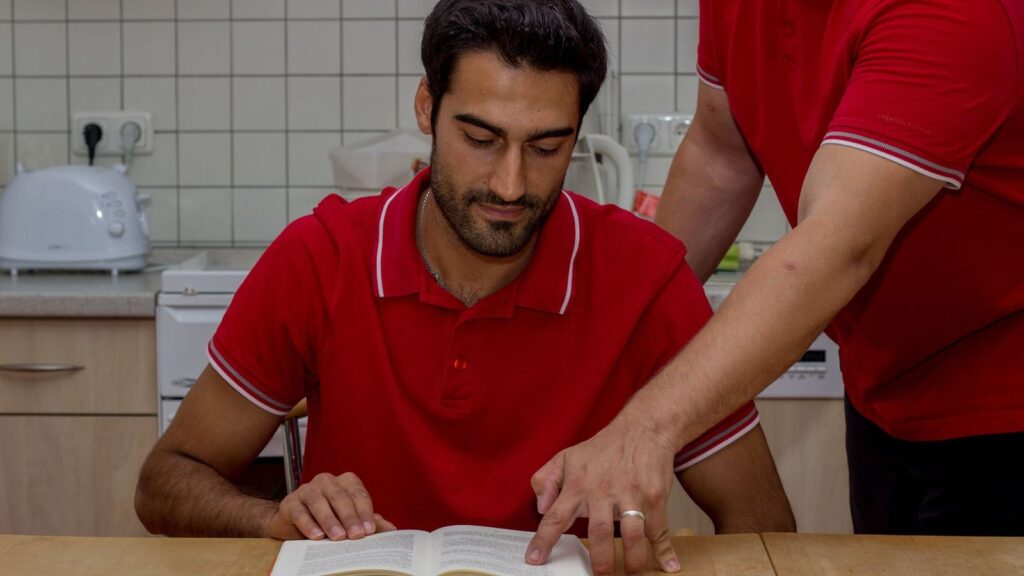
This is why the Thai FDA advises repeating a negative self-test after 90 days if you had a possible exposure in the previous 3 months. Our guide to when to test for HIV after an exposure sets out the full timeline.
Common mistakes that affect accuracy
- Testing too soon after the exposure.
- Reading the result earlier or later than the leaflet says.
- Eating, drinking or brushing your teeth shortly before an oral-fluid test, if the leaflet warns against it.
How to read your self-test result
Every kit has a control line that shows the test worked. This table is a general guide; always follow your own leaflet.
Self-test result and what to do next
| Result | What it means | What to do |
|---|---|---|
| Non-reactive (negative) | No antibodies found | Reliable only if 3 months have passed since the exposure |
| Non-reactive, recent exposure | May still be in the window period | Retest later, or have a clinic test |
| Reactive (positive) | Antibodies may be present | Get a confirmatory test at a clinic or hospital |
| Invalid (no control line) | The test did not work | Repeat with a new kit or have a clinic test |
What to do after a reactive self-test
A reactive result can be frightening, but it is not a diagnosis. Self-tests occasionally give false reactive results, and HIV can only be confirmed with further testing by a health professional.
- Pause before acting. Do not start any medicine on your own, and try not to make big decisions tonight.
- Book a confirmatory test at a clinic or hospital as soon as you can, ideally within a few days.
- Bring the kit or a photo of it so the doctor knows which test you used.
- Talk to someone you trust, or ask the clinic about support after your result.
If HIV is confirmed, modern treatment is highly effective, and starting early protects your health.
When a clinic HIV test is the better choice
Self-tests suit routine checks, but some situations call for a clinic.
- The exposure was in the last 72 hours. No test can show an infection from that exposure yet, but PEP may still prevent it. Read what to do in the first hours after a possible HIV exposure.
- The exposure was in the last few weeks. A 4th-generation clinic test finds HIV earlier than an antibody-only home kit; see how accurate a 4th-generation HIV test is at 4 and 6 weeks.
- You have symptoms such as fever, rash or sore throat after a risk. Our guide to HIV symptoms after exposure explains why testing, not symptoms, gives the answer.
- You are starting or restarting PrEP. A reliable HIV test is needed first; see how PrEP works at our Bangkok clinic.
- You have finished PEP and need follow-up tests; see HIV testing after PEP.
Home self-test vs clinic test: how they compare
| Question | Home self-test | Clinic rapid test |
|---|---|---|
| What it detects | Antibodies only | Antibodies and p24 antigen (4th generation) |
| Detects recent infection | Later | Earlier |
| Privacy | Complete | Confidential, anonymous option |
| Support with results | Leaflet only | Doctor explains the result |
| Other checks at the same time | No | STIs, PEP or PrEP if needed |
Testing at our clinic near BTS Asok
At HIV PEP Bangkok, near BTS Asok and MRT Sukhumvit, we offer a rapid 4th-generation HIV test with results in about an hour. Anonymous testing is available, and a first name is enough.
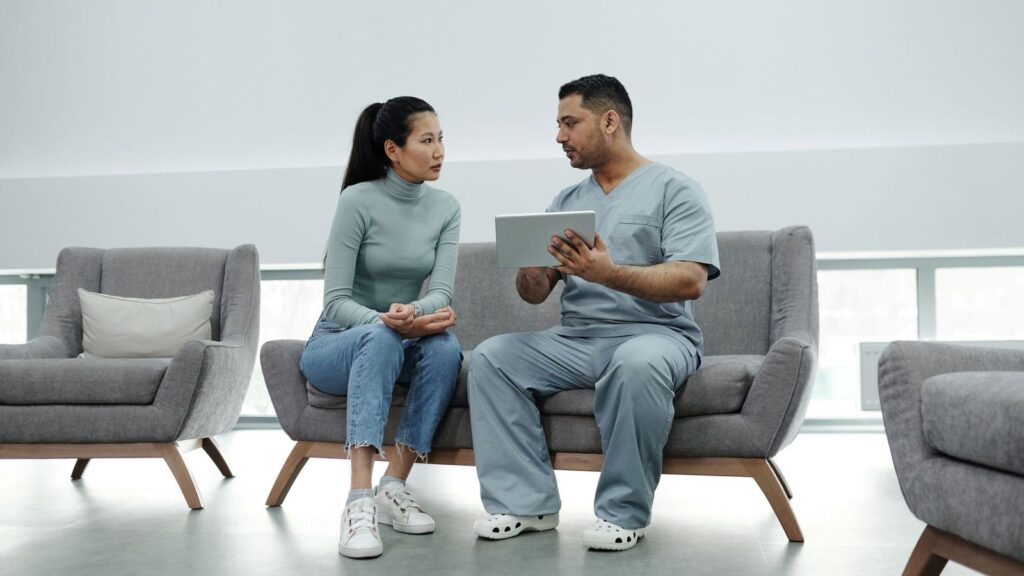
We are open every day from 09:00 to 21:00, with English- and Thai-speaking doctors and private rooms. See HIV testing in Bangkok at our clinic for what the visit involves, and consider STI testing for syphilis, hepatitis, gonorrhoea and chlamydia at the same time.
Frequently asked questions about HIV self-tests in Thailand
Do I need a prescription to buy an HIV self-test kit in Thailand?
No. Registered kits can be bought at licensed pharmacies without a prescription. Check the Thai FDA number on the pack before you buy.
Can a self-test show HIV from sex I had last night?
No. Antibodies take weeks to appear, so a test this early only shows your status from before that exposure. If it was within 72 hours, ask a clinic about PEP straight away.
What if my self-test result line is very faint?
Most kits treat any visible test line as reactive, even a faint one. Follow your leaflet and arrange a confirmatory test at a clinic.
Can I take PrEP based on a negative home test?
You should not start PrEP on a self-test alone. A clinic HIV test and kidney check come first, so the medicine is safe and suitable for you.
If you are unsure which test is right for you, or you have a result you want checked, contact our clinic by LINE, WhatsApp or phone, or simply walk in. If you are still deciding whether an exposure needs PEP, the PEP self-check is a good place to start.