Key takeaways
- PEP (post-exposure prophylaxis) is a short course of HIV medicines taken after a possible exposure to stop HIV from establishing an infection.
- Start as soon as possible: ideally within 24 hours, and no later than 72 hours after the exposure.
- The course lasts 28 days, usually one or two tablets a day. Taking every dose matters.
- PEP is for emergencies. If you are at risk regularly, PrEP is the better long-term option.
- You will need follow-up HIV tests, usually around 4–6 weeks and 3 months after the exposure.
What is PEP?
PEP stands for post-exposure prophylaxis. “Prophylaxis” means prevention, and “post-exposure” means it is taken after a possible contact with HIV. PEP uses the same kind of antiretroviral medicines that are used to treat HIV, given for a short time to someone who is HIV-negative, so the virus is stopped before it can set up a lasting infection.
PEP is an emergency measure. It is designed for a one-off event, such as a condom breaking, rather than as routine protection. Started quickly and taken correctly, it is one of the most effective ways to prevent HIV after an exposure.
How does PEP work?
When HIV enters the body, it does not become a permanent infection straight away. For a short period, the virus is trying to reach immune cells and make copies of itself. PEP medicines block the steps HIV needs to multiply, which gives your immune system the chance to clear the small amount of virus before it takes hold.
This is why timing matters so much. The earlier the medicines are in your system, the less virus there is to stop. After about 72 hours, an infection may already be established, and PEP is no longer recommended.
When should you start PEP? The 72-hour window
The World Health Organization advises starting PEP as soon as possible, ideally within 24 hours and no later than 72 hours after exposure, according to its guidelines for HIV post-exposure prophylaxis.
| Time since exposure | What it means | What to do |
|---|---|---|
| 0–24 hours | The best time to start | Contact a clinic now. Many people take their first dose within an hour of arriving. |
| 24–48 hours | Still effective | Start today. Don’t delay any further. |
| 48–72 hours | The window is closing | Go to a clinic immediately. |
| More than 72 hours | PEP is no longer recommended | Get tested and advised, and ask about PrEP for the future. |
You can see exactly how much of your window is left with our 72-hour PEP window calculator.
Who should consider PEP?
A doctor will ask what happened, when it happened, and what you know about the other person’s HIV status.
Situations where PEP is usually assessed
- Anal or vaginal sex without a condom, or a condom that broke or slipped, with a partner whose HIV status is unknown or who has HIV and is not on effective treatment
- Sexual assault
- Sharing needles, syringes or other injecting equipment
- A needle-stick injury, or blood splashing into the eyes, mouth or broken skin, for example at work
Situations where PEP is usually not needed
- Kissing, hugging, sharing food, cups, toilets or swimming pools
- Sex with a condom that stayed intact
- Sex with a partner on HIV treatment with a confirmed undetectable viral load, because undetectable means untransmittable (U=U)
- An exposure more than 72 hours ago, when testing and advice are the next step instead
Oral sex carries a very low risk, and PEP is not usually needed, but the details matter. If you are unsure where you fall, take our 30-second PEP self-check or read our PEP FAQ.
How effective is PEP?
PEP greatly reduces the chance of HIV infection when it is started early and taken every day for the full 28 days. It is not 100% effective, and when it fails, the cause is usually a late start, missed doses, or further exposures during the course.
To give PEP the best chance of working:
- Start as early as possible, ideally within hours.
- Take every dose at the same time each day.
- Finish all 28 days, even if you feel completely well.
- Use condoms until your follow-up tests are complete, in case the exposure did lead to infection.
Which medicines are used for PEP?
Most PEP courses combine three antiretroviral medicines, which WHO lists as the preferred approach. A common regimen pairs tenofovir with lamivudine or emtricitabine, plus dolutegravir, often taken as one or two tablets a day. Your doctor chooses the combination based on your health, any other medicines you take and, if known, the other person’s treatment history.
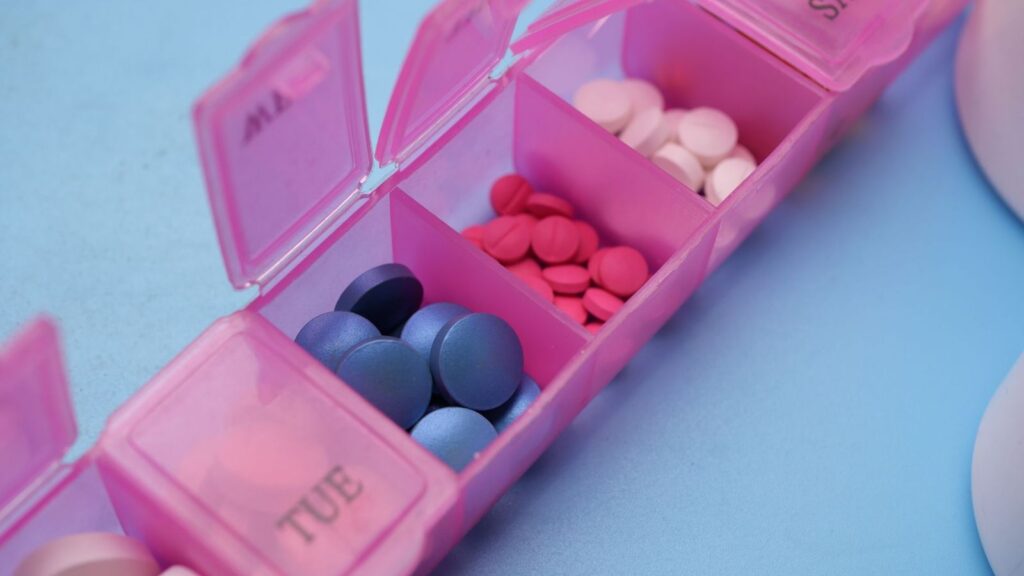
Tell the doctor about everything you take, including vitamins, supplements and antacids, because some of them can reduce how well certain PEP medicines are absorbed.
PEP side effects
Modern PEP is generally well tolerated. The CDC notes that PEP is safe, although some people have side effects such as nausea. When side effects happen, they are usually mild and settle within the first week or two:
- Nausea or an upset stomach
- Headache
- Tiredness
- Diarrhoea
- Trouble sleeping
Serious side effects are uncommon. Contact your clinic if side effects stop you from taking your doses, or if you notice a rash, yellowing of the skin or eyes, or feel very unwell. Don’t stop PEP on your own: your doctor can often manage symptoms or change a medicine. Our guide to PEP side effects during the 28 days has practical tips for getting through the course.
What happens at a PEP appointment?
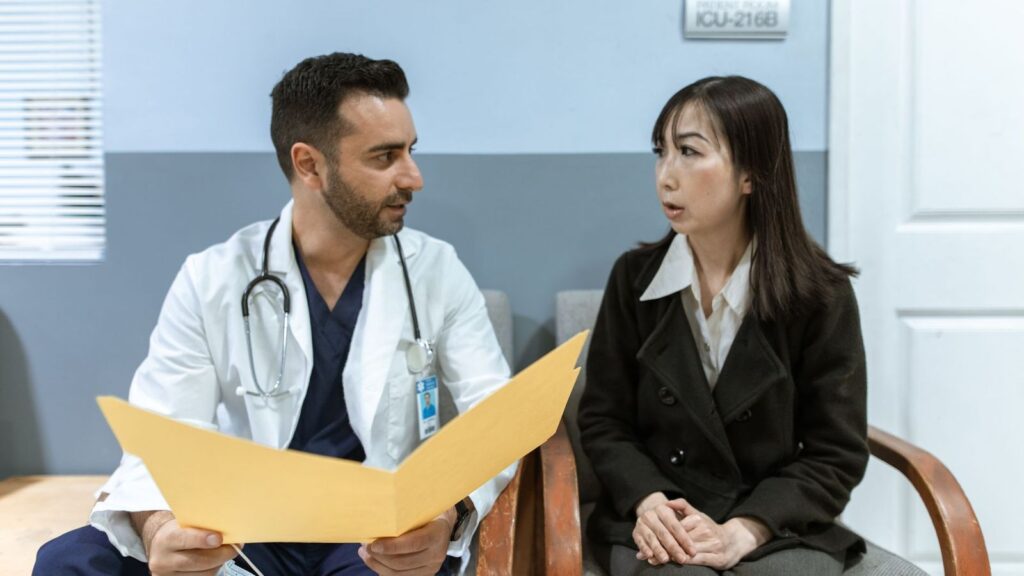
- A private consultation. The doctor asks about the exposure, the timing and your health.
- Baseline tests. A rapid HIV test, plus other checks where needed, such as kidney function, hepatitis B and an STI screen.
- Your first dose. If the HIV test is negative, you usually take the first dose at the clinic.
- Your full course. You leave with the rest of the 28-day supply and clear instructions.
- A follow-up plan. The clinic books or reminds you about your follow-up tests.
Most visits take about an hour. For a calm, step-by-step plan, read what to do in the first 72 hours after a possible HIV exposure.
Follow-up testing after PEP
Follow-up testing confirms that PEP worked. Your doctor may adjust the schedule depending on the tests used, but a typical plan looks like this:
| When | Test | Why |
|---|---|---|
| At your first visit | HIV test, plus other checks | Confirms you were HIV-negative before starting PEP |
| About 4–6 weeks after exposure | HIV test | An early check after finishing the course |
| About 3 months after exposure | HIV test | The final confirmation |
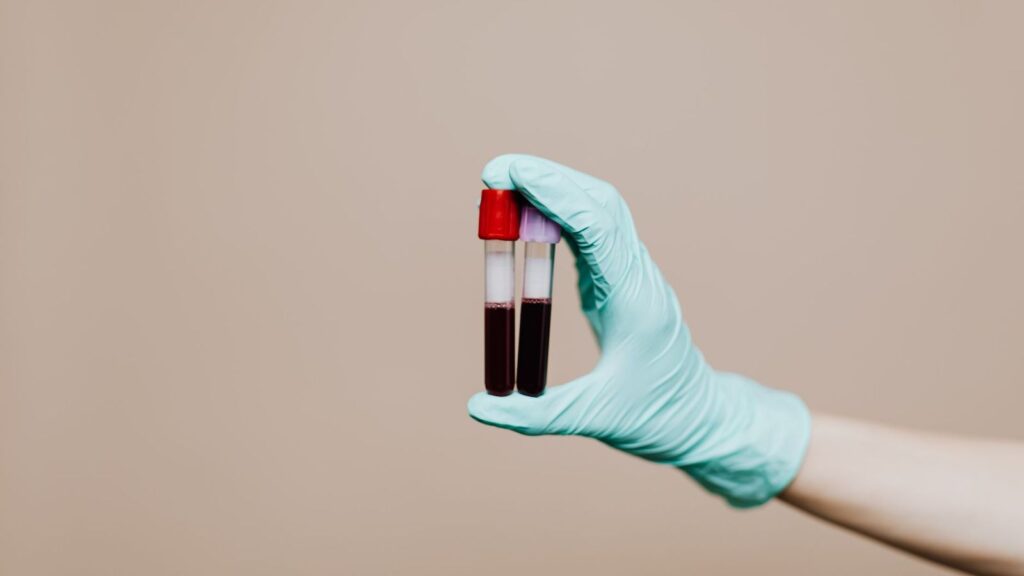
Learn more about window periods in our guide on when to test for HIV after a possible exposure.
PEP vs PrEP: what’s the difference?
| PEP | PrEP | |
|---|---|---|
| When you take it | After a possible exposure, within 72 hours | Before possible exposures |
| How long | 28 days | For as long as you need protection |
| Best for | A one-off emergency | Ongoing risk |
| Check-ups | Follow-up tests at about 4–6 weeks and 3 months | HIV and kidney tests about every 3 months |
If you needed PEP and expect similar situations again, many doctors recommend moving straight on to PrEP once a test confirms you are HIV-negative. Read PEP or PrEP: which one do you need? for a fuller comparison.
Getting PEP in Bangkok

PEP is available in Bangkok through hospitals, sexual health clinics and specialist clinics. At our clinic near BTS Asok, you can walk in without an appointment, see an English- or Thai-speaking doctor, and usually take your first dose within about an hour. Visitors can take the full 28-day supply home, together with a medical letter for their own doctor.
See all our PEP, PrEP and HIV testing services, or book a confidential PEP appointment now.
Frequently asked questions about PEP
Can I take PEP after 72 hours?
No. PEP is not recommended after 72 hours, because an infection may already be established. You should still get an HIV test and advice, and consider PrEP if you are likely to be exposed again.
Do I need a prescription for PEP?
Yes. PEP is prescribed by a doctor after a short consultation and a baseline HIV test. Don’t take pills left over from someone else’s course.
What if I miss a dose of PEP?
Take it as soon as you remember, unless it is almost time for your next dose. Don’t take two doses at once. If you miss more than one dose, contact your clinic for advice.
Can I drink alcohol while taking PEP?
Alcohol doesn’t stop most PEP regimens from working, but it can make nausea worse and make missed doses more likely. Keep it moderate and ask your doctor if you are unsure.
Is PEP the same as the morning-after pill?
No. Emergency contraception prevents pregnancy, not HIV, and PEP does not prevent pregnancy. After sexual assault or a condom failure, you may need both, so tell the doctor.
Can I have sex while taking PEP?
Use condoms until your follow-up tests are complete. This protects your partners in case the exposure did lead to infection, and it protects you from new exposures.