Key takeaways
- Our clinic near BTS Asok screens for syphilis, hepatitis B, hepatitis C, gonorrhoea and chlamydia.
- Many sexually transmitted infections cause no symptoms, so testing is the only way to know.
- Tests use a blood sample, a urine sample or a swab, depending on the infection.
- Where possible, treatment starts the same day.
- Visits are private and confidential, and a first name is enough.
Where can I get an STI test in Bangkok?
You can have a private STI test in Bangkok at our clinic in the Sukhumvit area, near BTS Asok and MRT Sukhumvit. We screen for syphilis, hepatitis B and C, gonorrhoea and chlamydia, and start treatment the same day where possible.
We are open every day from 09:00 to 21:00, with English- and Thai-speaking doctors. You see a doctor in a private room, and you only need to give a first name.

Being close to both train lines makes an STI check easy to fit around work, a hotel stay or an evening out. You can contact us first by LINE, WhatsApp or phone if you would like to ask a question before you come.
STI or STD: is there a difference?
Not in practice. STI means sexually transmitted infection and STD means sexually transmitted disease. Doctors increasingly say STI, because many infections never cause illness, but an STD test and an STI test in Bangkok are the same thing.
What our STI screening covers
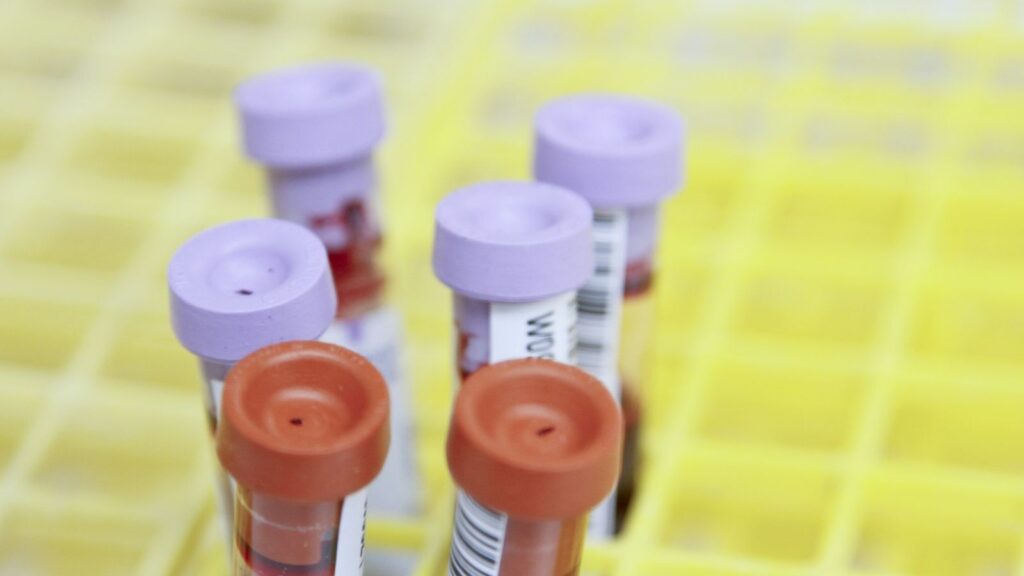
Different infections need different samples. A blood test alone does not check for gonorrhoea or chlamydia, which is a common surprise.
Infections we test for and how
| Infection | Usual sample | Why it matters |
|---|---|---|
| Syphilis | Blood | Can be silent for a long time; treatable |
| Hepatitis B | Blood | Affects the liver; a vaccine can prevent it |
| Hepatitis C | Blood | Affects the liver; effective treatment exists |
| Gonorrhoea | Urine or swab | Often no symptoms; treatable |
| Chlamydia | Urine or swab | Often no symptoms; treatable |
The doctor will suggest which samples you need based on the kind of sex you have had, so infections in the throat or rectum are not missed. HIV is a separate test; see our page on rapid and anonymous HIV testing in Bangkok.
Do you need an STI check if you have no symptoms?
Yes, often. Many STIs cause no symptoms at all, especially chlamydia and gonorrhoea in the throat or rectum. You can have an infection, feel completely well and still pass it on.
That is why regular screening matters even when nothing feels wrong. Left untreated, some infections can cause longer-term problems, such as pelvic pain or fertility problems, or, with hepatitis, liver damage.
Symptoms that are worth a same-day visit include:
- Discharge from the penis, vagina or anus
- Pain or burning when you pee
- Sores, blisters or a rash on or around the genitals
- Pain in the lower abdomen or testicles
- Bleeding after sex or between periods
When should you get an STI test?
The right time depends on what happened and when. Some infections take a few weeks to show up on a test, so the doctor may suggest a repeat.
What to do in common situations
| Your situation | What to do |
|---|---|
| You have symptoms | Come in now; don’t wait |
| Condom broke or no condom, within 72 hours | Ask about HIV PEP first, then plan STI tests |
| New partner, no symptoms | Test now, repeat later if advised |
| A partner has been diagnosed with an STI | Come in; you may be treated straight away |
| Regular check-up | Screen routinely, especially with new or several partners |
If a condom broke recently, read about the HIV risk when a condom breaks, and use our PEP self-check and 72-hour calculator. PEP only works if it starts within 72 hours; our guide to how HIV PEP works explains why.
What happens at an STI check at our clinic
- Get in touch. Contact us by LINE, WhatsApp, phone or the booking form, or come in.
- A private chat. The doctor asks about symptoms and recent sex, without judgement, to choose the right tests.
- Samples. A small blood sample, a urine sample, a swab, or a mix, depending on what you need.
- Results and treatment. The doctor explains your results and, where possible, starts treatment the same day.
- Follow-up. You leave knowing whether you need a repeat test or a check after treatment.
The NHS guide to visiting a sexual health clinic describes the same kinds of tests. It notes that some results are available the same day, while others take longer.

STD clinic, hospital or pharmacy: how they compare
People in Bangkok have several choices. Here is how they usually compare.
Where to get an STD test in Bangkok
| Option | Strengths | Things to consider |
|---|---|---|
| Private sexual health clinic | Focused service, evening and weekend hours, treatment on site | You pay for the visit |
| Hospital | Full range of specialists | Longer waits; may involve several departments |
| Pharmacy antibiotics without a test | Quick | Wrong or incomplete treatment; infection may be missed |
| Home test kit | Private | Limited range; positive results still need a doctor |
If you are visiting Thailand, our sexual health guide for travellers in Bangkok covers testing and prevention while you are away.
STD treatment in Bangkok and telling partners
Most bacterial STIs, including syphilis, gonorrhoea and chlamydia, are treated with antibiotics. Finish the full course and avoid sex until the doctor says treatment is complete.
Hepatitis B and C need a different kind of care, and the doctor will explain your options. Partners from the recent past may also need testing and treatment, and we can help you think about how to tell them.

STI testing alongside HIV prevention
An STI check fits naturally with HIV prevention. If you are often at risk, HIV PrEP in Bangkok includes regular check-ups. After a recent exposure, our step-by-step plan for the first 72 hours after a possible HIV exposure puts things in the right order, and our guide on when to test for HIV after an exposure explains HIV timing.
Frequently asked questions about STI testing in Bangkok
Will a blood test pick up gonorrhoea and chlamydia?
No. Gonorrhoea and chlamydia are tested with a urine sample or a swab. Blood tests are used for syphilis and hepatitis B and C.
Is an STI check painful?
Usually not. A blood test is a quick pinprick, a urine test is painless, and swabs may feel slightly uncomfortable for a few seconds.
Should my partner be tested too?
If you are diagnosed with an STI, recent partners should be tested and often treated, even without symptoms. The doctor will explain who needs to know.
How often should I have an STI check?
It depends on your situation. Many people test with each new partner or at regular intervals, and the doctor can suggest a routine that suits you.
For quick answers to other questions, see our frequently asked questions or the full list of our sexual health clinic services. When you are ready, contact us to arrange a private STI check by LINE, WhatsApp, phone or the booking form.