Key takeaways
- Most people on PrEP have no side effects or only mild ones, such as nausea, bloating, diarrhoea or headache.
- These usually appear in the first weeks and settle within about a month.
- Taking PrEP with food, and in the morning if it affects your sleep, often helps.
- Regular kidney tests are part of PrEP, because the medicine can occasionally affect kidney function.
- Don’t stop PrEP on your own. Talk to your clinic first, especially if you have hepatitis B.
If you have just started PrEP, or are thinking about it, it is natural to wonder how the tablets will make you feel. This guide explains the PrEP side effects people most often notice, how to manage them, and the routine checks that keep PrEP safe over time.
What are the side effects of PrEP?
The most common side effects are mild stomach problems and headaches in the first few weeks. The i-Base guide to the side effects of PrEP notes that fewer than 1 in 10 people report mild nausea, diarrhoea, bloating or headache in the first month, and that these usually stop.
Oral PrEP usually combines two medicines, tenofovir and emtricitabine. For how PrEP works and who it suits, see PrEP at our Bangkok clinic.
Common and uncommon PrEP side effects, and how to manage them
The NHS page on the side effects of PrEP gives practical tips for each one. This table summarises them; follow your own doctor’s advice if it differs.
| Side effect | How common | What helps |
|---|---|---|
| Nausea | Common, early on | Take PrEP after eating or before bed; choose simple, plain meals. |
| Bloating or indigestion | Common, early on | Eat smaller meals, more slowly. |
| Diarrhoea | Common, early on | Sip water often. Call your clinic if it is severe or lasts more than a few days. |
| Headache | Common, early on | Rest and drink fluids; ask a pharmacist which painkiller suits you. |
| Dizziness or feeling weak | Common | Sit or lie down until it passes; don’t drive or ride a motorbike. |
| Trouble sleeping | Common | Take your daily tablet in the morning. |
| Swollen lips or throat, trouble breathing | Rare | This is an emergency. Call 1669 in Thailand. |

PrEP side effects in the first week and first month
Everyone is different, but this is a typical pattern for daily oral PrEP.
The first few days
Some people notice mild nausea, a looser stomach or a headache soon after starting; many notice nothing at all. It is also easy to blame every small change on the tablets when you are paying close attention to your body.
Weeks 1 to 2
This is when stomach side effects are most likely. Taking the tablet with food, at the same time each day, usually helps. If you are struggling to keep tablets down, call your clinic rather than skipping doses.

Weeks 3 to 4
For most people, side effects have faded by now and the daily tablet feels routine. Symptoms that are still bothering you after a month are worth mentioning to your doctor.
Your first check-up
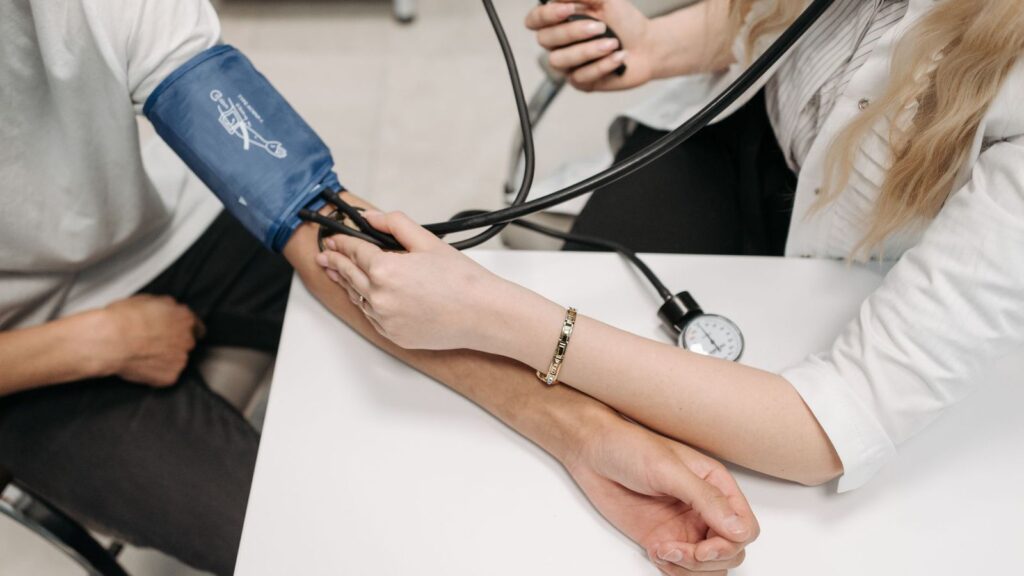
Regular visits include an HIV test, an STI screen and, when your doctor advises it, a kidney check; see HIV testing at our Bangkok clinic. This is a good time to raise anything that is still bothering you.
Sleep, skin and mood on PrEP
Some people find PrEP affects their sleep. The NHS suggests taking a daily tablet in the morning if this happens to you.

Tell your clinic about any new rash. A rash with fever or a sore throat needs prompt attention, because it can be a medicine reaction or an early sign of HIV; our guide to HIV symptoms after exposure explains why a test gives the answer.
Low mood or worry can come from many things, including the stress of thinking about HIV. If it is affecting your daily life, talk to your doctor.
PrEP side effects in men and women
Side effects are much the same for men and women. According to the NHS, PrEP does not affect any type of contraception, including the combined pill and emergency contraception.
If you are pregnant, planning a pregnancy or breastfeeding, tell your doctor, who will explain the options. Transgender people using gender-affirming hormones should mention them, so the doctor can advise on the best PrEP schedule.
Kidneys and bones: longer-term effects of PrEP
Kidneys
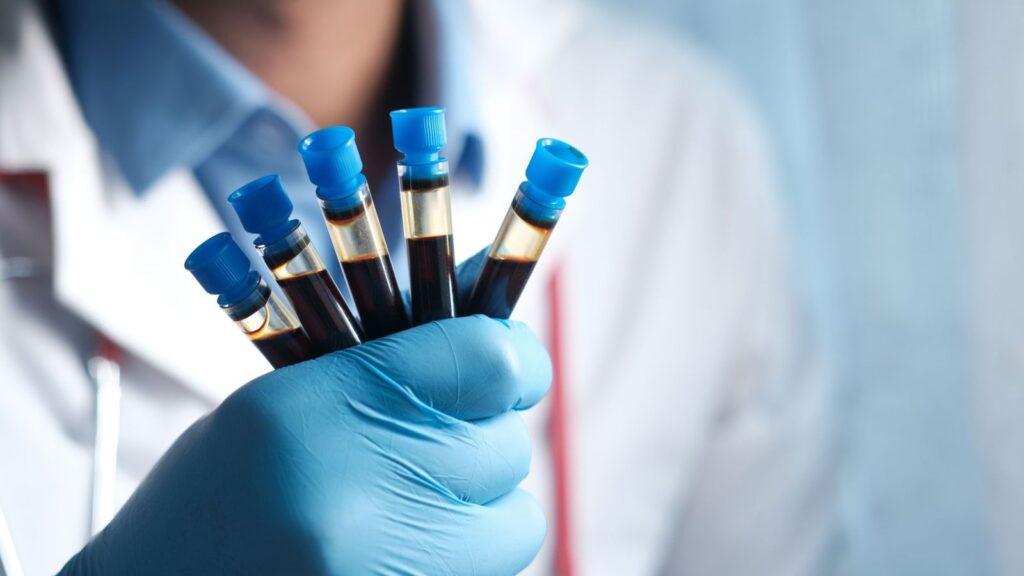
PrEP can occasionally reduce kidney function, which is why you have a kidney test before starting and at intervals afterwards. The risk is higher if you are older or already have kidney problems, so mention any kidney disease and regular use of anti-inflammatory painkillers.
Bones
Some people have a small drop in bone density on PrEP, but it usually reverses after stopping, and PrEP has not been shown to increase fractures. Doctors take extra care with people under 18.
Liver and hepatitis B
PrEP medicines also act on hepatitis B. If you have it, stopping PrEP suddenly can cause a liver flare, so you are tested before starting and need a plan before stopping.
How PrEP compares with PEP for side effects
People who have taken PEP often ask whether PrEP will feel the same. It is usually gentler, as this comparison shows.
| Question | PrEP | PEP |
|---|---|---|
| Number of medicines | Usually two, in one tablet | Usually three |
| How long you take it | While you are at risk | 28 days |
| Typical side effects | Mild stomach upset, headache | Nausea, tiredness, headache |
| When they usually settle | Within the first month | Within one to two weeks |
| Routine monitoring | HIV, STI and kidney tests | Baseline tests and follow-up HIV tests |
For the full picture, see our guide to PEP side effects during the 28 days and our comparison of PEP vs PrEP.
Side effects of on-demand and injectable PrEP
With on-demand dosing you take fewer tablets, but the side effects are the same kind. Taking the first double dose with food, or a few hours apart, can help; see how on-demand PrEP (2-1-1) works.
Injectable PrEP is not available everywhere. Its main side effects are at the injection site, which can be sore or leave a small lump that takes a while to go down.
When to call your clinic about a side effect
Contact your clinic if you have:
- diarrhoea or vomiting that stops you keeping tablets down
- a rash, especially with fever or a sore throat
- yellowing of the skin or eyes, or very dark urine
- passing much less urine than usual, or new swelling of the legs
- bone pain that doesn’t go away
- any side effect that makes you want to stop PrEP
For swelling of the lips or throat or difficulty breathing, call 1669 or go to the nearest hospital.
Don’t stop PrEP on your own
Stopping PrEP needs a plan: protection depends on how you stop, and hepatitis B changes the advice. Many side effects can be managed without stopping, so talk to a doctor first.
If you had a possible exposure after missing PrEP doses, PEP may be needed within 72 hours; see what PEP is and how it works.
Frequently asked questions about side effects on PrEP
Will PrEP make me gain or lose weight?
The NHS says some people notice a slight weight loss or a slight weight gain. Large changes are not expected, so mention them to your doctor.
Is it safe to take PrEP for years?
For most people, yes. Regular kidney tests and check-ups are there to spot rare problems early, and bone changes usually reverse after stopping.
Can I drink alcohol while on PrEP?
The NHS says you can drink alcohol while taking PrEP. Heavy drinking can make it easier to forget doses, so keep your reminders going.
Do PrEP injections hurt?
The injection site can be sore for a few days or leave a small lump. Injectable PrEP is not offered everywhere, so ask a doctor about the options available to you.
You don’t have to manage side effects alone. At HIV PEP Bangkok, near BTS Asok, a PrEP visit includes screening, a kidney check and a 30-day supply, with doctors who speak English and Thai. Message our clinic on LINE or WhatsApp if a side effect is worrying you, and consider STI testing in Bangkok at your next check-up.